
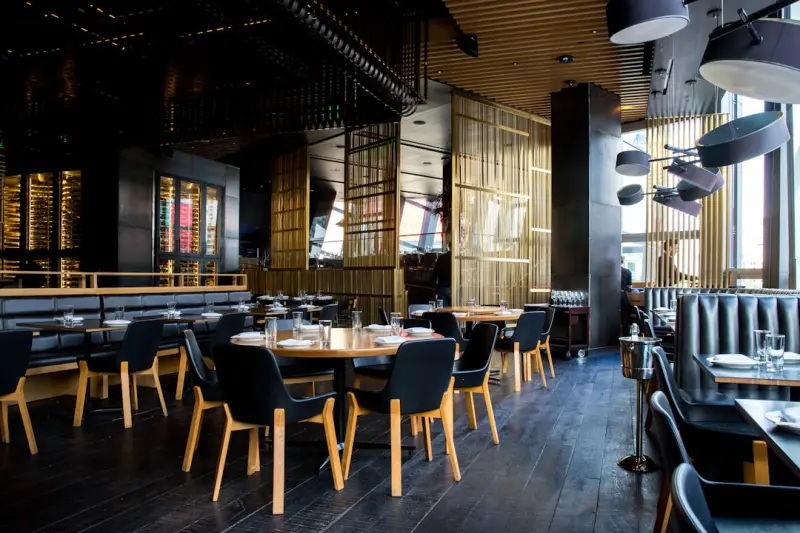
Why Ghost Kitchens Are No Longer a Niche—They’re the New Normal
When I first walked into a sleek, windowless space that smelled like a blend of stainless steel and ambition, I thought I’d stumbled onto a secret laboratory for culinary experiments. Turns out, I was standing in a ghost kitchen—the behind‑the‑scenes hub that’s quietly reshaping how we order, eat, and think about restaurants.
For years, the restaurant industry has chased foot traffic, prime real estate, and the ever‑elusive “perfect” ambiance. But the pandemic forced many doors to shut and, in that vacuum, a delivery‑first model emerged not as a stop‑gap, but as a strategic growth engine. Today, ghost kitchens aren’t just a fallback; they’re a competitive advantage that traditional brick‑and‑mortar establishments can harness without abandoning their physical dining rooms.
The Anatomy of a Ghost Kitchen
At its core, a ghost kitchen (sometimes called a cloud kitchen or virtual kitchen) is a fully equipped food‑preparation space designed solely for off‑site orders. No diners, no maître d’, just a kitchen, a few burners, and a digital order stream. These spaces can be:
- Standalone facilities owned by a single restaurant brand.
- Multi‑tenant hubs where several concepts share the same infrastructure, splitting rent and utilities.
- Restaurant‑backed extensions that operate out of the existing kitchen during off‑peak hours.
The flexibility is intoxicating. Imagine you run a cozy bistro that’s packed during lunch but sits empty after 8 p.m. By activating a ghost kitchen in those quiet hours, you can launch a separate “late‑night” menu—perhaps a spicy ramen bowl or a gourmet taco—targeting a whole new audience without any extra rent.
From Fear to Opportunity: What Traditional Restaurants Missed
Many restaurateurs initially dismissed ghost kitchens as a threat, fearing brand dilution or the loss of the “in‑house” experience. But the reality is more nuanced:
- Brand Extension, Not Erosion—A ghost kitchen lets you experiment with sub‑brands or pop‑up concepts while keeping the core identity intact.
- Data‑Driven Menu Development—Delivery orders generate real‑time analytics on which dishes sell, at what price point, and in which neighborhoods.
- Cost Efficiency—Operating a smaller space means lower overhead: reduced staff, utilities, and lease costs. Those savings can be funneled back into food quality or marketing.
In other words, ghost kitchens are a growth lever rather than a replacement for the dining room.
How to Start: A Step‑by‑Step Playbook
Launching a ghost kitchen doesn’t require a full‑blown overhaul. Follow these practical steps to test the waters:
- Audit Your Existing Kitchen Capacity—Map out peak vs. off‑peak hours. Identify equipment and staff that could handle an extra 2–4 hours of prep.
- Define a Niche Concept—Choose a menu that travels well. Think about packaging, heat retention, and the ability to maintain flavor integrity.
- Partner with a Delivery Platform—Integrate with services that offer native analytics (e.g., order volume, repeat customers). Some platforms even provide promotional boosts for new virtual brands.
- Set Up a Minimalist Brand Identity—Design a logo, a simple website landing page, and a social media handle. Keep branding consistent across all delivery apps.
- Pilot and Iterate—Start with a limited menu in a single zip code. Use order data to refine recipes, pricing, and packaging.
- Scale Thoughtfully—If demand spikes, consider a dedicated multi‑tenant ghost kitchen hub or a second location in a high‑density area.
Menu Engineering for Delivery: Lessons From the Kitchen Frontlines
Not every dish survives the journey from stovetop to doorstep. Here are the three pillars of a delivery‑friendly menu:
- Texture Retention—Crisp‑on‑the‑outside dishes (like tempura) can become soggy. Opt for items that stay crunchy or re‑crisp quickly (e.g., using a vented container).
- Flavor Concentration—Bold sauces and seasonings compensate for any loss of aroma during transit.
- Portability—Design plates that fit snugly into eco‑friendly containers, preventing spills and maintaining temperature.
While you’re tweaking recipes, consider reading up on food pairing science. Understanding complementary flavors can help you create menu items that taste even better after a short cooling period.
Technology as the Kitchen’s New Sous‑Chef
Automation isn’t limited to AI‑driven legal counsel or cloud zones; it’s very much present in the modern kitchen. Here are three tech tools that can supercharge a ghost kitchen operation:
- Order Management Systems (OMS)—Centralize orders from multiple delivery apps into a single dashboard, reducing errors.
- Kitchen Display Screens (KDS)—Replace paper tickets with digital screens that prioritize orders by prep time, ensuring a smooth flow.
- Predictive Inventory Software—Leverage AI to forecast ingredient usage based on order trends, minimizing waste.
Even without a full AI stack, these tools free up staff to focus on cooking, not manual data entry.
Marketing the Invisible Restaurant
Since you can’t rely on window shoppers, your digital presence becomes the storefront. A few tactics that have proven effective:
- Hyper‑Local Social Advertising—Target zip codes where you see the most orders. Use short videos of sizzling dishes to capture attention.
- Influencer Partnerships—Send a limited‑run “secret menu” to local food bloggers; their followers will flock to try it.
- Loyalty Programs Integrated with Delivery Apps—Reward repeat customers with free sides or exclusive menu items.
Remember, the goal isn’t to replace your physical dining experience but to complement it. By cross‑promoting—offering a discount on in‑house dining for delivery customers—you can drive traffic back to the brick‑and‑mortar space.
Case Study: A Mid‑Town Bistro’s Night‑Shift Success
One of my favorite success stories comes from a downtown bistro that launched a ghost kitchen under the name “Midnight Morsels.” They used their kitchen after 9 p.m., offering a curated menu of ramen bowls and Korean‑inspired tacos. Within three months, they:
- Increased overall revenue by 22%.
- Boosted off‑peak staff utilization from 0% to 45%.
- Grew their email list by 3,000 new contacts via delivery app promotions.
Key to their success? They consulted the microbiome snack trends and incorporated probiotic‑rich kimchi into their tacos, tapping into a health‑conscious consumer segment that loves bold flavors.
Financial Modeling: Is It Worth the Investment?
Before committing capital, run a simple break‑even analysis. Estimate:
| Expense | Monthly Cost (CAD) |
|---|---|
| Rent (shared ghost kitchen space) | 2,500 |
| Utilities & Maintenance | 800 |
| Staff (1–2 part‑time cooks) | 3,200 |
| Packaging & Supplies | 1,100 |
| Delivery Platform Fees (≈30% of sales) | Varies |
Assuming an average order value of $35, you’d need roughly 300 orders per month to cover fixed costs—well within reach for a well‑targeted digital campaign.
Environmental Considerations: Sustainable Packaging Matters
Ghost kitchens have been criticized for increasing single‑use packaging. To counteract that perception, adopt:
- Compostable containers made from plant‑based fibers.
- Reusable “green” delivery bags for local customers who pick up orders.
- A “no‑plastic” pledge displayed on your app profile, building trust with eco‑conscious diners.
These small steps can differentiate your brand in a crowded marketplace while aligning with broader sustainability goals.
Future Outlook: The Hybrid Restaurant Model
Looking ahead, the most successful eateries will likely blend physical and virtual experiences. Picture a scenario where a customer books a table online, enjoys a pre‑set tasting menu, and then receives a curated “take‑home” version of the same dishes to share with friends later. This hybrid model maximizes revenue streams, deepens brand loyalty, and meets the modern diner’s demand for convenience.
In short, ghost kitchens are not a passing fad—they’re a strategic layer that adds resilience and scalability to any restaurant’s portfolio.
Action Steps for Restaurateurs Ready to Dive In
- Conduct a kitchen capacity audit this week.
- Sketch a delivery‑first menu draft—focus on 5–7 items that travel well.
- Choose a delivery partner with robust analytics and set up a pilot in one neighborhood.
- Implement a simple KDS to streamline order flow.
- Launch a hyper‑local social ad campaign with a limited‑time offer.
Take these steps, watch the data, and iterate. The ghost kitchen landscape is still evolving, and early adopters will reap the biggest rewards.

Related Posts
Why Hyperlocal Sourcing Is the Secret Sauce for Modern Restaurants
An in‑depth look at how turning to nearby farms and producers can lower costs, reduce waste, and d... Read More
Why Real‑Time Guest Data Is the Secret Sauce for Restaurants
Real‑time guest data transforms static menus into dynamic experiences. Learn how to capture, analy... Read More

Why AI‑Powered Staffing and Data‑First Menus Are Redefining Restaurants
This post reveals how restaurants can harness AI for labor forecasting, use data to design profitabl... Read More
Top Posts
Parental Warning: When Smart Toys Turn Into Silent Data Collectors
Smart toys promise interactive learning, but many quietly gather and sell kids' data. This article reveals the hidden dangers and offers practical steps for par...Read More
Reclaiming Your Health: The Power of a Digital Detox
Learn why constant screen time harms your health and how simple digital‑detox strategies can restore focus, improve sleep, and boost overall wellbeing....Read More

Harvesting Hope: Turning Canadian Farm Land into Renewable Energy Hubs
Canadian farmers are embracing renewable energy, installing solar arrays and wind turbines to generate clean power, reduce costs, and create new revenue streams...Read More

Legal Ops in the Age of Automation: A Practical Playbook
A step‑by‑step guide showing legal teams how to transform from reactive gatekeepers into proactive, data‑driven partners using technology, metrics, and a ...Read More
0 Comments
Post Comment
You will need to Login or Register to comment on this post!