
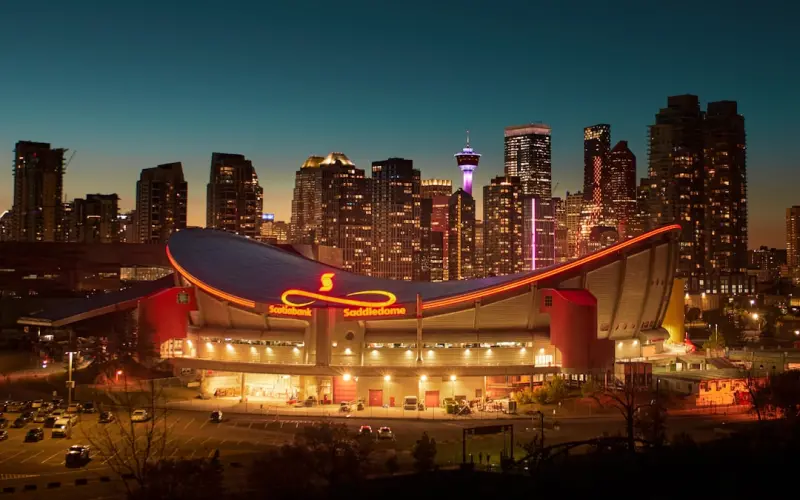
Why Interactive Theatre Is the New Buzz in Canada
Walking into a dimly lit warehouse in downtown Toronto, I felt the hum of anticipation before the curtain even rose—audience members were not just watching; they were being invited to step onto the set. This shift toward interactive theatre flips the traditional spectator model on its head, turning passive observers into co‑creators of the narrative arc. As I shuffled through a maze of props and whispered cues, the experience reminded me that Canadian entertainment is finally giving the public the reins to shape the story.
What started as experimental pop‑up performances in basements has now blossomed into city‑wide events that sell out weeks in advance, proving that the appetite for immersion is far from a fleeting trend. Producers are betting on the chemistry that sparks when strangers share a moment of vulnerability, laughter, or suspense on stage, and the ticket sales are a testament to that gamble paying off. For a country that prides itself on cultural diversity, the collaborative nature of these shows feels like a natural extension of our collective identity.
From Fringe Festivals to Pop‑Up Stages: Cities Turning Sidewalks Into Stages
Last summer, I found myself in Vancouver’s bustling Gastown, where a troupe transformed a historic alley into a living tableau of a 1920s jazz club, complete with swinging doors and brass bands that erupted from hidden speakers. The line between performance and everyday life blurred, and strangers paused their coffee runs to become part of an improvised storyline that unfolded around them. It was a vivid reminder that Canada’s urban landscapes are fertile ground for spontaneous art that invites anyone to join in.
Across the country, municipalities are partnering with local artists to repurpose underused public spaces, turning park benches into confession booths and subway platforms into theatrical backdrops. These initiatives not only breathe new life into dormant corners but also democratize access to culture, allowing people from all walks of life to experience high‑quality entertainment without the intimidation of a traditional theatre. The result is a vibrant tapestry of moments where community and creativity intersect in the most unexpected places.
Technology Meets Tradition: AR‑Enhanced Performances
Imagine strolling through a historic lighthouse on the Maritimes and, through your phone, seeing ghostly sailors reenact a centuries‑old rescue—this is the magic of augmented reality (AR) woven into live performance. Canadian companies are experimenting with AR overlays that synchronize with actors’ movements, creating a layered reality where digital specters dance alongside tangible sets. The technology acts as a bridge, preserving the authenticity of classic storytelling while injecting a futuristic pulse that resonates with younger audiences.
Even the most seasoned directors are embracing these tools, often collaborating with the kind of frontline innovation labs that fuel cross‑disciplinary experimentation. A recent production in Montreal incorporated a modern train journey motif, projecting moving landscapes onto the stage floor as actors narrated stories of migration and hope. By marrying the tactile with the virtual, creators are redefining what it means to “see” a performance, offering a multisensory feast that lingers long after the final bow.
What This Means for Creators and Fans
For artists, the rise of immersive formats opens up fresh revenue streams beyond ticket sales, such as interactive workshops, merchandise tied to specific story arcs, and even subscription‑based digital experiences that extend the narrative beyond the physical venue. This diversification empowers creators to take bigger creative risks without the looming fear of financial failure, fostering a climate where bold, unconventional ideas can thrive. In turn, audiences gain a more personalized connection to the work, feeling not just entertained but genuinely involved.
From a cultural standpoint, the momentum behind participatory entertainment signals a broader shift toward collective storytelling that mirrors Canada’s mosaic of voices. As we continue to experiment with space, technology, and community, the entertainment landscape becomes a living laboratory where each performance is a test case for how we can better understand one another. In this evolving arena, the line between artist and audience blurs, inviting us all to co‑author the next chapter of Canadian cultural expression.

Related Posts
From Coast to Screen: Canada’s Entertainment Renaissance
Canada’s entertainment scene is undergoing a renaissance, with film festivals, streaming platforms... Read More

Exploring Canada’s Vibrant Entertainment Landscape
From summer music festivals to family-friendly attractions, explore Canada’s diverse entertainment... Read More
Beyond the Stage: How Immersive Audio is Redefining Canadian Entertainment
Immersive audio is turning Canada’s entertainment landscape into a three‑dimensional sound playg... Read More
Top Posts

Parental Warning: The Quiet Data Harvesting in Kids’ Smart Toys
This article uncovers the hidden data collection in AI‑powered children’s toys, explains the risks, and offers practical steps for parents to safeguard thei...Read More

Colorful Eating: How a Rainbow Plate Boosts Mood, Energy, and Health
Explore the science behind colorful foods, learn simple ways to add a rainbow to your meals, and see how vibrant plates can lift your mood and boost health....Read More

Hybrid Sea‑Land Adventures: Rethinking Cruises & Bus Tours
Explore the rise of hybrid sea‑land travel, where cruises partner with bus tours for seamless, sustainable adventures, complete with budgeting hacks and futur...Read More

The Flavors of Rural America: A Culinary Journey Through the Heartland
Explore the flavors of rural America, from farm-to-table produce to artisanal cheeses and craft beers. Join Tracie Higgins on a culinary journey through the hea...Read More
0 Comments
Post Comment
You will need to Login or Register to comment on this post!