

The AI-Powered Personalization Wave Transforming Cruises & Bus Tours
When I first stepped aboard a cruise ship that claimed to be “smart,” I expected a few Wi‑Fi boosters and maybe a chatbot that could answer where the buffet was. What I got was a glimpse into a future where every itinerary, every shore‑excursion, and even the seat you claim on a bus tour is meticulously crafted by algorithms that know you better than your own calendar.
Welcome to the age of hyper‑personalized travel, where AI doesn’t just recommend a destination – it designs an entire journey that aligns with your health goals, learning style, and even your taste buds. In this post, I’ll unpack the technology behind this shift, explore the real‑world impact on travelers and operators, and share practical tips for making the most of an AI‑driven cruise or bus adventure.
From Generic Packages to Data‑Driven Journeys
Traditional travel agencies once operated on a simple premise: bundle a few popular attractions, set a price, and sell the package to the masses. The result? Crowded itineraries, missed opportunities, and a one‑size‑fits‑all experience that left many travelers feeling like they were just another ticket stub.
Enter AI. Modern cruise lines and bus tour operators now harness three core data streams:
- Behavioral Data: Past bookings, on‑board purchases, and even the time you lingered at a ship’s spa.
- Physiological Data: Wearable devices that track sleep, heart rate, and stress levels, feeding into wellness‑focused recommendations.
- Contextual Data: Real‑time weather, local events, and crowd density on popular shore sites.
By weaving these threads together, AI engines generate itineraries that feel tailor‑made. Want a morning yoga session on the deck followed by a low‑sodium Mediterranean dinner? The system will schedule a quiet port stop in a lesser‑known fishing village where a local chef can prepare a fresh, health‑conscious meal, perhaps even incorporating Fermented Foods for a probiotic boost.
Why Travelers Are Embracing the Change
1. Time Efficiency – No more scrolling through endless brochures. Your itinerary arrives pre‑filled with activities that match your energy levels and interests.
2. Wellness Integration – AI can suggest moments of rest when your wearable indicates elevated stress, turning a hectic cruise day into a restorative retreat.
3. Authentic Local Experiences – By analyzing social media sentiment and foot‑traffic data, AI directs you to hidden gems rather than tourist traps.
4. Cost Transparency – Dynamic pricing models forecast the best moments to book shore excursions, saving you money without sacrificing quality.
Operators: The New Competitive Edge
For cruise lines and bus tour companies, the AI advantage isn’t just a gimmick – it’s a revenue driver. Personalized upsells, such as a private sunset cocktail cruise or a boutique winery tour, have conversion rates up to 30% higher than generic offers.
Moreover, AI‑enabled demand forecasting reduces empty cabins and vacant bus seats by up to 15%, optimizing fleet utilization and cutting operational waste. The data also informs crew scheduling, ensuring the right expertise is on‑hand for niche activities like marine biology workshops or culinary masterclasses.
Case Study: The “Mindful Explorer” Cruise
One leading cruise line recently launched a “Mindful Explorer” program. Here’s how AI shaped the experience:
- Pre‑Trip Survey: Guests completed a short questionnaire about sleep habits, dietary preferences, and activity interests.
- Wearable Sync: Participants opted to sync their fitness tracker, providing baseline data on heart rate variability and sleep quality.
- Dynamic Itinerary: Based on this data, the AI mapped a balanced schedule:
- Day 1 – Gentle sunrise meditation on deck, followed by a low‑impact walking tour of the port’s historic quarter.
- Day 2 – A morning session with a local yoga instructor, then a culinary workshop featuring fermented kimchi and miso.
- Day 3 – Optional deep‑sea dive for adventure seekers; those with higher stress markers were offered a spa treatment instead.
- Real‑Time Adjustments: Mid‑cruise, the system detected elevated stress levels in a segment of guests and automatically added an extra afternoon tea session with calming aromatherapy.
The outcome? Guest satisfaction scores rose 22%, and ancillary spend on wellness services increased 18% compared to previous sailings.
Bus Tours: From Scenic Rides to Adaptive Journeys
While cruises often get the spotlight for tech innovation, bus tours are quietly undergoing a revolution. Imagine a multi‑day road trip through the Rockies where each stop is chosen based on your personal interest profile:
- If you’re a photography enthusiast, the AI routes you to sunrise points with optimal lighting.
- If you have a chronic back condition, the system selects smoother roads and fewer steep climbs, and even suggests on‑board ergonomic seating adjustments.
- For food lovers, the itinerary highlights farm‑to‑table eateries that align with your dietary restrictions, perhaps even showcasing local fermented delicacies.
Operators also use AI to monitor traffic patterns and weather in real time, dynamically rerouting the bus to avoid delays while preserving the scenic value of the journey.
Bridging the Gap: How to Make AI Work for You
Even if you’re not a tech guru, you can harness AI’s power with a few simple steps:
- Share Your Preferences Early – Fill out pre‑travel surveys honestly. The more data you provide, the better the algorithm can serve you.
- Connect Your Wearables – If you’re comfortable, syncing a fitness tracker can unlock wellness‑focused recommendations.
- Stay Flexible – AI thrives on real‑time adjustments. Be open to spontaneous changes like an unexpected local festival or a pop‑up culinary demo.
- Leverage Onboard Tech – Use ship or bus apps to provide feedback during the trip. Your live input helps fine‑tune the itinerary on the fly.
The Role of Conversational Commerce
One of the most exciting side effects of AI integration is the rise of conversational commerce. On many modern vessels and tour buses, you can now order a specialty cocktail, book a private guide, or even request a last‑minute cabin upgrade via a chat interface that feels like texting a friend.
This seamless interaction not only streamlines service but also creates a data loop: each request further refines your profile, leading to even more precise recommendations. It’s a virtuous cycle that blurs the line between hospitality and personal assistant.
Ethical Considerations and Data Privacy
With great data comes great responsibility. Travelers should be vigilant about:
- Data Consent: Ensure the provider clearly outlines how your information will be used.
- Transparency: Look for platforms that let you see the logic behind recommendations.
- Opt‑Out Options: A reputable operator will allow you to disable certain data feeds, like location tracking, without compromising the entire experience.
Industry leaders are responding by adopting “privacy‑by‑design” frameworks, encrypting data end‑to‑end, and offering granular consent controls.
Future Horizons: AI, AR, and the Hybrid Experience
While AI personalizes the “what” and “when,” Augmented Reality (AR) is poised to enrich the “how.” Imagine pointing your phone at a historic building during a bus tour and instantly seeing a 3‑D reconstruction of its original architecture, or wearing AR glasses on a cruise deck that overlay marine life information as you gaze into the ocean.
When combined, AI’s predictive power and AR’s immersive storytelling could redefine travel from a passive activity into an interactive learning adventure. This synergy aligns perfectly with the growing demand for experiential travel that educates, entertains, and revitalizes.
Takeaway: Embrace the AI Journey, But Keep Your Human Touch
AI is a tool, not a replacement for the serendipity that makes travel magical. Use the technology to eliminate friction, amplify personal interests, and unlock hidden gems you might otherwise miss. Then, step off the bus or ship, talk to locals, and let the unexpected moments fill the gaps that algorithms can’t predict.
As we sail further into this personalized era, the most rewarding trips will be those that blend data‑driven precision with the timeless joy of discovery. So next time you book a cruise or a scenic bus tour, ask yourself: “What story do I want the AI to help me write?” The answer could be the adventure of a lifetime.

Related Posts

Finding Calm on Waves and Roads: A Fresh Take on Wellness‑Focused Travel
Discover a new travel mindset that blends sea‑borne serenity and road‑bound cultural immersion, ... Read More
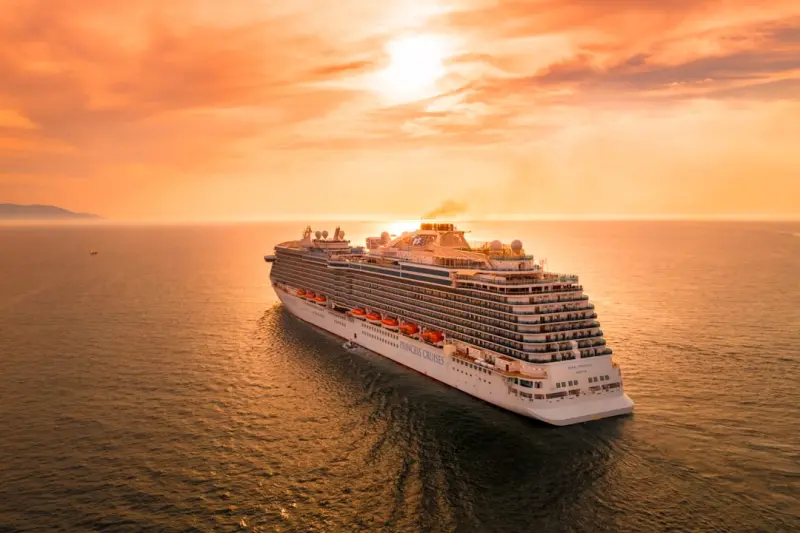
Charting a Digital‑Detox Voyage: Cruise Ships and Luxury Bus Tours Redefined
A fresh take on unplugging: learn to design a digital‑detox cruise or luxury bus tour that blends ... Read More
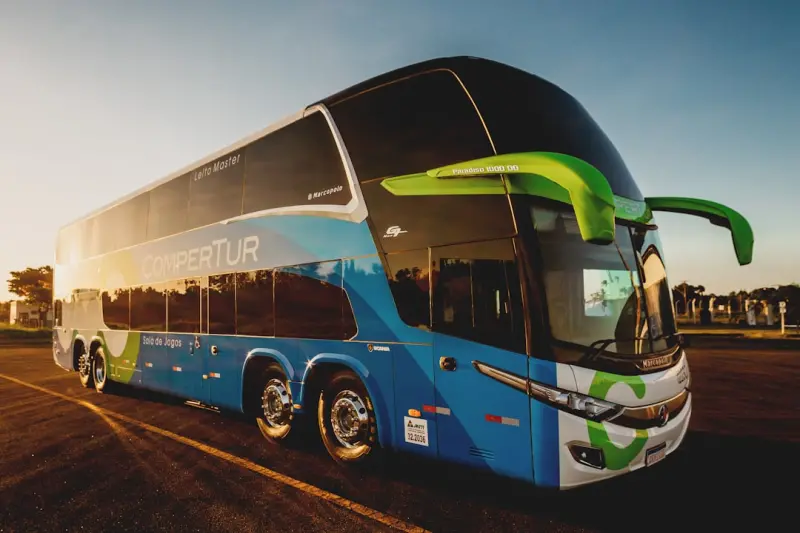
Savor the Journey: Food‑First Cruises and Bus Tours Redefine Travel
A fresh look at how food‑centric itineraries on cruise ships and bus tours are turning ordinary tr... Read More
Top Posts

When Algorithms Draft Contracts: Legal Risks and Opportunities
AI can draft contracts in minutes, but the technology introduces new accountability, privacy, and bias challenges. This article breaks down the risks and offers...Read More

How Tariffs Are Becoming the Unexpected Engine for Sustainable Business
Tariffs can be reshaped from a cost burden into a sustainability lever, helping companies cut carbon emissions, diversify supply chains, and meet ESG targets wh...Read More

Listening to Health: How Soundscapes Are Transforming Well‑Being
Sound isn’t just background noise; it’s a powerful health tool. Discover the science behind audio wellness, practical ways to integrate therapeutic soundsca...Read More

From Soil to Silicon: How Canadian Farmers Are Crafting the Future of Food
Canadian farmers are merging age‑old stewardship with cutting‑edge technology—AI, blockchain, renewable energy—to boost yields, cut waste, and build res...Read More
0 Comments
Post Comment
You will need to Login or Register to comment on this post!