

Turning the Voyage into a Personal Narrative: How Cruises and Bus Tours Become Story‑Weaving Studios
There’s a quiet magic that happens when the horizon slides past a rail or a ship’s bow. It’s not just the changing scenery; it’s the way each new port, each passing mile, nudges you to collect fragments of experience and stitch them together into a story that’s uniquely yours. As someone who’s spent a decade hopping between decks, decks, and double‑decker coaches, I’ve learned that the real value of a cruise or a bus tour isn’t the checklist of landmarks—it’s the narrative you craft along the way.
Why Storytelling Matters More Than Ever on the Move
In a world saturated with bite‑size content, the act of building a coherent, personal narrative feels almost rebellious. A personal health coach on your wrist can remind you to stretch, breathe, and log your steps, but it can’t capture the thrill you feel when a coastal town’s market erupts in a burst of color and sound. Those moments are the raw material for a story that sticks with you long after the itinerary ends.
Storytelling transforms a series of transactions—boarding passes, meals, souvenir purchases—into a living archive. It gives you a framework to process emotions, reflect on growth, and share insights with others who may never set foot on the same deck or road. And on cruises and bus tours, the environment is uniquely suited to this creative process.
The Three Pillars of a Travel Narrative on Wheels and Waves
- Sensory Capture – Your senses are the most honest reporters. The scent of sea‑salt mixed with fresh‑baked bread on a portside bakery, the hum of a diesel engine as it powers a mountain pass, the taste of a locally brewed stout at a harbor tavern. Train these senses to notice the subtle, then translate them into words, photos, or sketches.
- Temporal Anchors – Mark the passage of time not just by days, but by experiences: “the sunrise over the fjord on Day 3,” “the unexpected rainstorm that turned the bus ride into a moving waterfall on Day 5.” These anchors create a rhythm that helps your story flow.
- Reflective Threads – Pause, write, and ask yourself what each moment meant. Did a conversation with a local artisan shift your view on craftsmanship? Did a quiet evening on deck prompt a re‑evaluation of work‑life balance? These reflective notes become the connective tissue that turns a travel log into a narrative.
Tools of the Trade: From Analog to Digital
When I first set out on a Mediterranean cruise twenty‑something years ago, my notebook was a leather‑bound companion, and my camera a point‑and‑shoot with a fixed lens. Today, the toolbox is a hybrid of analog charm and digital efficiency.
- Micro‑journal apps – Small, distraction‑free apps that let you jot down a thought in under 30 seconds. They’re perfect for capturing the fleeting feeling of awe when the sun kisses the horizon.
- Voice memos – Sometimes a sentence is easier spoken than typed. A quick voice note while the bus rolls past a vineyard can later be transcribed into vivid prose.
- AR‑enhanced dining experiences – Some cruise lines now offer augmented reality menus that overlay stories about each dish’s origin. Reading those tales can inspire a culinary subplot in your travel narrative. Check out this emerging trend in augmented reality dining for more ideas.
But the best tool remains the human brain, trained to observe, remember, and connect.
Case Study: The “Cultural Remix” Cruise
Last spring I joined a “Cultural Remix” cruise that sailed from the Atlantic coast of Canada down to the Caribbean. The itinerary was deliberately loose—port stops were scheduled, but the onboard program encouraged passengers to create their own mini‑projects.
One evening, a group of passengers organized an impromptu storytelling circle on deck, where each person shared a memory tied to a specific scent. The resulting tapestry of narratives was astonishing: a grandmother’s cinnamon bun from a small town in Nova Scotia, the salty wind that reminded someone of a childhood fishing trip, the spice‑laden market air in Jamaica that conjured images of a distant relative’s kitchen.
By the time the ship docked in Barbados, the collective narrative had become a shared cultural artifact. We documented the experience with photos, audio clips, and short essays, then compiled everything into a digital booklet that we later uploaded to a community forum. The project illustrated how a cruise can act as a catalyst for collaborative storytelling, turning strangers into co‑authors of a single, evolving narrative.
Bus Tours: The Rolling Canvas for Personal Growth
Bus tours often get a bad rap for being “budget” or “no‑frills,” but they possess a unique capacity for introspection. The steady rhythm of wheels on road, the occasional lull of a long stretch of highway, provides a natural backdrop for contemplation.
On a recent cross‑Canada coach journey, I experimented with a “pause‑and‑capture” routine: every two hours, I’d stop the recording on my phone, note the current landscape, and reflect on a personal question—something like “What am I holding onto that I need to release?” The repetitive nature of the journey gave me space to explore inner dialogues that I’d rarely afford in a hectic city schedule.
The result? A series of short, honest entries that later became the backbone of a blog series on personal resilience. The bus became not just a means of transport, but a moving meditation space.
Integrating Health and Narrative: A Holistic Approach
Physical well‑being and storytelling are more intertwined than they appear. When you feel good physically, your mind is more receptive to detail, nuance, and emotion. That’s where wearable tech can play a supporting role. A smartwatch that alerts you to a rise in heart rate can prompt a quick stretch, ensuring you stay comfortable enough to fully engage with the environment.
Moreover, tracking physiological data alongside narrative milestones can reveal fascinating patterns. Did you feel more relaxed after a sunrise meditation on deck? Did a sudden rainstorm on a bus route heighten your sense of adventure? By correlating health metrics with story moments, you build a richer, data‑informed narrative of your own experience.
From Personal Narrative to Shared Knowledge
Once you’ve crafted your story, the next step is sharing it in a way that adds value to others. Here are three avenues that have worked for me:
- Micro‑blog series – Break your larger story into bite‑sized posts, each focusing on a single sensory moment or reflective insight. Platforms like LinkedIn or Medium welcome this format.
- Collaborative playlists – Pair your narrative with a curated soundtrack that reflects each chapter of the journey. Music has a powerful ability to evoke memory, reinforcing your story’s emotional impact.
- Community workshops – Host a virtual or in‑person session where fellow travelers can discuss their own narratives, compare notes, and learn storytelling techniques. The “Cultural Remix” cruise proved that collaborative storytelling can become a communal legacy.
Practical Tips for Crafting Your Own Travel Narrative
- Start before you board: Draft a quick “story intent” – what themes do you hope to explore? Adventure, culinary discovery, personal growth?
- Use a dedicated notebook or app: Keep it separate from your regular work tools to signal a shift in mindset.
- Capture three senses per stop: Write down what you see, hear, and smell. This habit quickly enriches your descriptions.
- Schedule reflective pauses: Set an alarm for every few hours to jot down thoughts. Even a two‑minute note can become a pivotal paragraph later.
- Engage with locals: Ask open‑ended questions that invite stories, then weave those anecdotes into your narrative.
- Review and edit daily: A quick end‑of‑day review helps solidify memories while they’re fresh.
The Future: Narrative‑First Travel Experiences
Imagine a cruise line that offers “story‑builder” itineraries, where each port includes a workshop on local myths, a guided sensory walk, and a dedicated time slot for passengers to record reflections. Or a bus tour operator that provides onboard “reflection pods” – quiet, comfortable spaces equipped with journals, ambient lighting, and subtle aromatherapy to inspire deeper introspection.
These concepts aren’t far‑off. Travel brands are already experimenting with immersive experiences that blend education, wellness, and community. The next logical step is to place the traveler’s personal narrative at the core of the design. When the journey itself becomes a story‑crafting platform, the destination becomes a chapter, not the whole book.
Closing Thoughts
Whether you’re standing on the deck of a ship watching gulls dance over turquoise waters, or perched by a window on a bus that winds through pine‑laden valleys, you hold the pen to a unique narrative. Use the tools at your disposal—senses, technology, reflection—to turn each mile into a meaningful paragraph. In doing so, you’ll not only enrich your own travel experience but also contribute a fresh voice to the global tapestry of stories that inspire, educate, and connect us all.

Related Posts
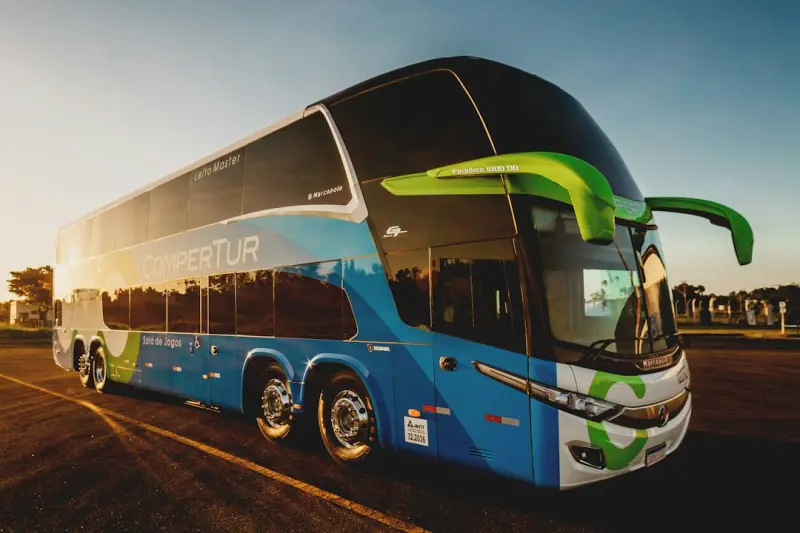
Storytelling on Wheels: How Modern Bus Tours and Cruises Turn Travel into a Narrative Adventure
Travel is evolving from a checklist of sights to a living narrative. This post explores how bus tour... Read More
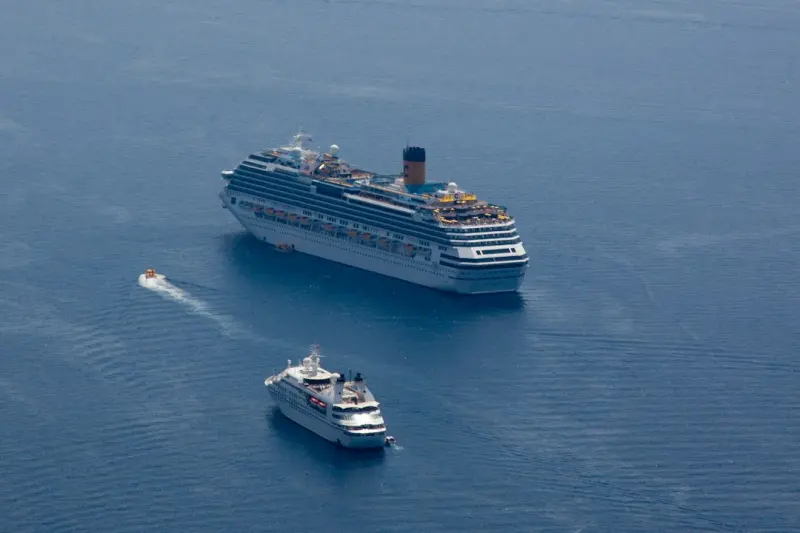
The micro‑cruise wave: tiny ships, big experiences
A fresh look at micro‑cruises and boutique bus tours reveals how tiny vessels and curated road tri... Read More
Cultivating Curated Journeys: Data‑Driven Narrative Trails on Cruises and Bus Tours
Discover how travel operators can use real‑time data, local expertise, and predictive personalizat... Read More
Top Posts

Reimagining National Identity in the Age of Digital Democracy
A deep dive into how digital platforms, data transparency, and collaborative innovation can transform the way a nation tells its story and engages its citizens....Read More

Experience the Magic of Bird Kingdom in Niagara Falls: An Unforgettable Attraction Awaiting You
The breathtaking beauty of Niagara Falls is world-renowned. This natural wonder attracts millions of visitors each year, who come to witness the sheer force of ...Read More

Co‑Living Communities: Canada’s Next Housing Revolution
Discover how co‑living hubs are transforming Canadian neighborhoods, offering affordable shared homes, vibrant community life, and sustainable practices that ...Read More

Ontario’s Hidden Fishing Frontiers: Night, Ice, and Sustainable Adventure
Explore Ontario’s shifting seasons, nighttime ice fishing thrills, sustainable techniques, and how local anglers are shaping the future of fishing....Read More
0 Comments
Post Comment
You will need to Login or Register to comment on this post!