

Turning Up the Heat Without Turning Up the Bill
When I first moved back to my hometown of Kingston after a stint in the tech hub of Toronto, the first thing that hit me was the bone‑chilling bite of a Canadian winter. My old furnace sputtered, the thermostat hovered around an unforgiving 21 °C, and the electric bill arrived looking more like a phone number than a receipt. I realized that, for many of us, staying warm is less about luxury and more about survival—and that the old “turn up the thermostat” approach just isn’t sustainable.
Over the past few months I’ve been on a mission to prove that comfort doesn’t have to come at the expense of your wallet, the environment, or your sanity. Below is the playbook I’ve assembled, built on a mix of tried‑and‑true Canadian know‑how, emerging low‑cost tech, and a dash of community spirit. Whether you live in a historic Victorian house in Vancouver, a modest bungalow in Calgary, or a sleek condo in Montreal, these ideas can be adapted to keep the chill at bay while keeping your budget intact.
1. Seal the Envelope: Draft‑Proofing the Home
Before you spend a single cent on a new furnace or a high‑tech smart thermostat, walk around your home with a lit incense stick or a simple candle. Hold it near windows, doors, baseboards, and any spot where two building materials meet. If the flame flickers, you have a draft.
- Weatherstripping 101: Adhesive foam strips are cheap and surprisingly effective. Apply them to the interior side of exterior doors and sliding patio doors. The result? A sealed barrier that can shave up to 15 % off heating costs.
- Window Insulation Kits: These kits include clear plastic film that you can shrink over windows with a hair dryer. The transparent layer creates an airtight pocket, reducing heat loss without sacrificing daylight.
- Seal Electrical Outlets: In older homes, wall sockets on exterior walls can be a hidden source of cold air. Plug in a foam outlet seal or use a silicone grommet for an easy fix.
These steps are the “foundation” of any energy‑saving strategy. They’re inexpensive, DIY‑friendly, and, most importantly, they work instantly.
2. Embrace Passive Solar Gains
Canada’s latitude is a double‑edged sword: we get glorious summer sunshine and bone‑deep winter gloom. Harness that sunshine during the colder months. Here’s how:
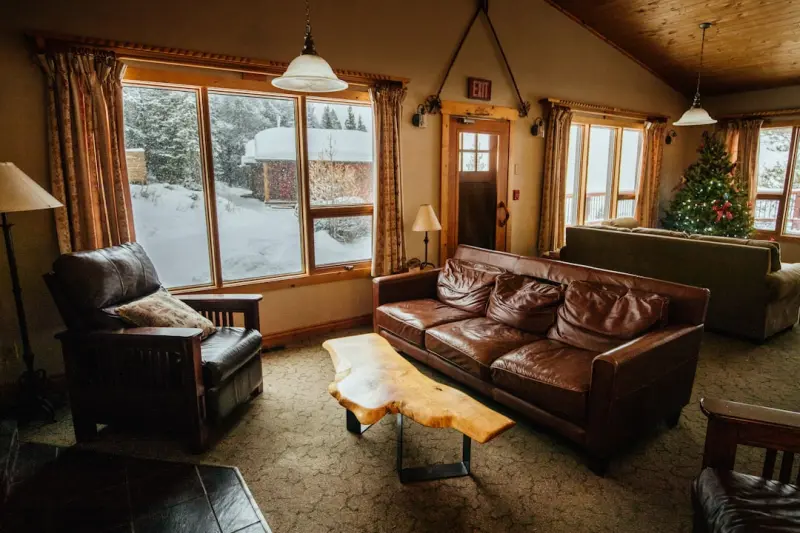
- South‑Facing Windows: Keep curtains open during the day to let sunlight flood in. The sun’s rays naturally warm interior air, reducing the load on your heating system.
- Thermal Curtains: At night, close heavy, insulated curtains to trap the heat you just harvested.
- Reflective Interior Paint: Light-colored walls and ceilings bounce more heat around the room. A fresh coat of off‑white paint can add a few degrees of comfort without a single watt of electricity.
In my own living room, I installed a simple solar gain shelf—a shallow, dark‑stained wooden shelf directly beneath a south‑facing window. The dark surface absorbs solar energy and radiates it back into the room after the sun sets. It’s a modest tweak, but it makes the space feel cozier on a frosty evening.
3. Upgrade Insulation Without Breaking the Bank
Full‑scale attic or wall insulation upgrades can be pricey, but there are clever, budget‑conscious ways to boost R‑values where it matters most.
- Blown‑In Insulation Kits: For attics, renting a small blower machine from a hardware store and buying loose‑fill cellulose or fiberglass can cost under $500 for a typical 1,000 sq ft attic.
- Insulated Pipe Wraps: Exposed hot water pipes in basements or crawlspaces lose heat quickly. Wrap them in foam pipe insulation to keep water hotter for longer, which in turn reduces boiler cycling.
- Radiant Barriers: A reflective foil installed under the roof deck reflects heat back into the attic during summer and keeps radiant heat from escaping in winter.
When I added a radiant barrier to my roof, the furnace’s runtime dropped by roughly an hour per day during peak winter. That translates into significant savings over a season.
4. Smart Thermostats: More Than Just “Set It and Forget It”
Now that the home is sealed and insulated, fine‑tuning temperature control becomes the next frontier. A smart thermostat can learn your schedule, adjust for occupancy, and even integrate with weather forecasts.
- Learning Algorithms: The device observes when you manually change the temperature and creates a custom schedule.
- Geofencing: When your phone leaves a set radius, the thermostat automatically lowers the heat, and it raises it again when you return home.
- Energy Reports: Monthly insights show you which hours cost the most, allowing you to make data‑driven adjustments.
While the initial purchase may seem like a splurge, most Canadians recoup the cost within a year thanks to the reduced heating load.
5. Harness Community Resources for Sustainable Heating
One of the most underutilized resources in Canadian neighborhoods is the community heat‑share model. Think of it as a cooperative where households pool resources to install a shared, high‑efficiency wood‑pellet boiler or a district‑level geothermal system.
In my own community, a group of ten households banded together to install a small‑scale pellet boiler. The cost per household dropped dramatically, and the system runs on locally sourced wood pellets—an excellent way to support regional forestry jobs while cutting carbon footprints.
6. Pair Energy Savings with Local Food Strategies
Heating isn’t the only cost that spikes in winter; grocery bills do too. By integrating urban foraging into your routine, you can lower food expenses while adding fresh, seasonal produce to the table.
- Winter Greens: Look for hardy varieties like kale, collard greens, and dandelion leaves in city parks or along riverbanks. They thrive in colder temps and can be harvested sustainably.
- Root Vegetables: Many municipalities allow residents to harvest surplus carrots, beets, and turnips from community gardens after the growing season ends.
- Seasonal Preserves: Turn foraged greens into soups or fermented sauces, which not only stretch meals but also add probiotic benefits.
By blending these foraging finds with a modest kitchen garden, you cut back on store‑bought produce and keep the stovetop busy—another way to keep the house warm.
7. Adopt Low‑Tech Heat‑Generating Activities
Sometimes the simplest solutions are the most effective. Here are a few habits that generate heat while serving other purposes:
- Cooking as Warm‑Up: Simmering soups, stews, or a pot of oatmeal on the stove not only provides a meal but also releases heat into the surrounding room.
- Indoor Workouts: A short session of bodyweight exercises raises your core temperature, reducing the need for additional heating for a brief period.
- Drying Laundry Indoors: Hanging wet clothes on a rack near a heat source can double as a drying method and a passive radiator.
These actions might seem trivial, yet they cumulatively create a noticeable difference in indoor comfort.
8. Leverage Emerging Low‑Cost Tech
Canada’s tech ecosystem is buzzing with startups that create affordable, energy‑focused gadgets. For instance, smart soil sensors originally designed for farms are now being repurposed for indoor plant care. By monitoring moisture levels, you can avoid over‑watering, which reduces the need for extra heating to dry out damp soil.
Other gadgets worth watching:
- Portable Infrared Heaters with Bluetooth Control: Perfect for heating small rooms without cranking the whole house furnace.
- Low‑Voltage Radiant Floor Mats: Easy to install under rugs; they provide gentle, consistent warmth and draw minimal power.
- Energy‑Tracking Power Strips: Identify which appliances draw “phantom” power and cut them off with a tap.
9. Seasonal Maintenance Checklist
Keeping your home’s heating system in peak condition is crucial. Use this simple checklist each fall:
- Inspect and clean furnace filters (replace every 1–3 months).
- Schedule a professional boiler tune‑up.
- Check vent flues for blockages.
- Test carbon monoxide detectors and replace batteries.
- Seal any new gaps that may have appeared after recent renovations.
Regular maintenance prevents efficiency losses and extends the life of costly equipment.
10. The Bigger Picture: Climate Resilience and Community Empowerment
All these measures do more than just lower your heating bill—they contribute to a collective effort to make Canadian homes more resilient against a changing climate. By adopting energy‑saving habits, sharing resources, and supporting local innovation, we’re not only safeguarding our wallets but also reinforcing the social fabric that defines Canadian living.
In the end, staying warm isn’t about battling the cold with brute force. It’s about smart, intentional choices that honor both our personal comfort and the broader environment. If you’ve tried any of these strategies, share your experience in the comments. Let’s keep the conversation going and turn Canada’s winter into a season of ingenuity rather than expense.

Related Posts

Power to the People: Community Solar Co‑ops Lighting Up Canadian Neighborhoods
Community solar co‑ops let Canadians generate clean power together, lowering electricity costs, bo... Read More

The Cottage Revival: Redefining Canada’s Weekend Escapes for Health, Community, and Sustainability
Discover the surge in cottage culture across Canada, where health, community, and sustainability int... Read More
Canada’s New Cabin Craze: How Remote Work Is Rewriting Rural Living
Explore the rise of cabin living in Canada, where remote work, mental‑health benefits, and eco‑f... Read More
Top Posts

Mark Daniels’ Guide to the Hottest Travel Trends of 2026
Mark Daniels explores the latest travel trends—from bite‑size getaways and eco‑friendly lodging to vibrant food festivals and waterfront adventures—offe...Read More

Footpaths & Frontiers: Rediscovering Canada’s Wilderness on the Move
Lace up your boots and venture into Canada’s untamed landscapes, where minimalist gear, local connections, and mindful walking turn travel into a profound, lo...Read More

Conversational Commerce: Turning Chat Into Revenue
Explore the rise of conversational commerce, learn practical strategies for chat‑first marketing, and see real‑world examples of brands turning dialogue int...Read More

Reimagining Prom and Graduation: A Personal, Inclusive Playbook
A guide to crafting prom and graduation experiences that prioritize storytelling, inclusive dress codes, community partnerships, and meaningful rituals, ensurin...Read More
0 Comments
Post Comment
You will need to Login or Register to comment on this post!