
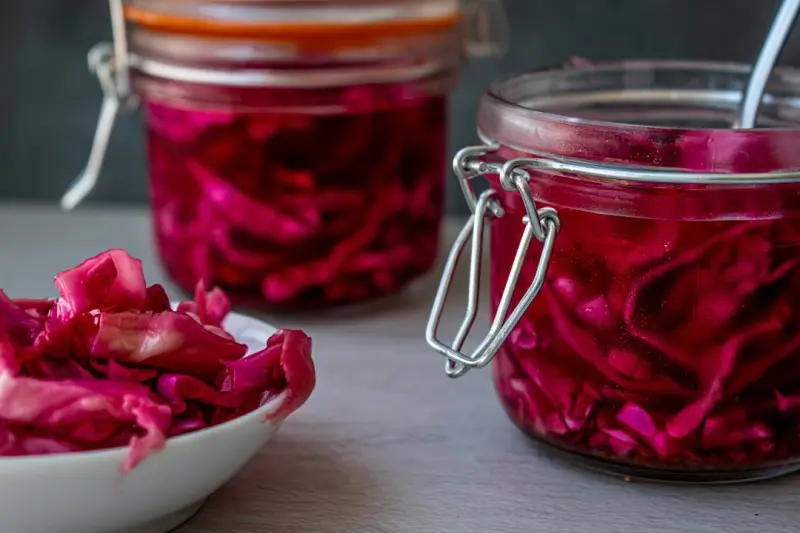
Why Fermentation Deserves a Spot on Your Plate
When I first moved into my tiny downtown loft, the thought of “healthy eating” felt like a distant luxury. Between the noisy street below and the endless stream of conference calls, I craved something simple, sustainable, and—most importantly—delicious. That’s when I stumbled upon a jar of kimchi at a local farmer’s market. One bite, and I was hooked on the tangy, effervescent world of fermented foods. Since then, my kitchen has become a miniature laboratory where carrots, cabbage, and even watermelon rind transform into probiotic powerhouses.
Fermentation isn’t just a culinary fad; it’s a centuries‑old practice that marries microbiology with flavor. By inviting friendly bacteria and yeasts to do their work, we unlock nutrients that would otherwise remain hidden. The result? Foods that boost gut health, support immunity, and add a burst of umami to everyday meals.
The Science Behind the Buzz
At its core, fermentation is a metabolic dance. Lactic acid bacteria, such as Lactobacillus and Leuconostoc, convert sugars into lactic acid, creating an acidic environment that preserves the food and deters harmful microbes. This acidification not only extends shelf life but also enhances the bioavailability of vitamins like B‑complex and K2.
Research increasingly links a diverse gut microbiome to mental clarity, stable mood, and even skin health. By regularly consuming live cultures from fermented foods, you’re essentially feeding the good guys in your intestines—providing them with the substrates they need to thrive.
Getting Started: The Minimalist Fermentation Kit
If the idea of “culturing bacteria” makes you nervous, fear not. You don’t need a high‑tech lab; a few household items are enough:
- Glass jars (wide‑mouth Mason jars work best)
- Non‑iodized salt (sea salt or kosher salt)
- Weight (a small clean stone or a fermentation weight)
- Cover (a breathable cloth and rubber band, or a loosely fitted lid)
With these tools, you can experiment with anything from classic sauerkraut to sweet fermented beverages like ginger kombucha.
Three Fermented Staples for Every Kitchen
1. Classic Sauerkraut
Shredded cabbage, a pinch of salt, and a few weeks of patience. The magic happens when the natural sugars in the cabbage feed the lactic bacteria already present on its leaves. The result is a tangy, crunchy side that pairs beautifully with roasted meats or a hearty bean stew.
2. Spicy Kimchi
Traditionally a Korean staple, kimchi blends napa cabbage, radish, garlic, ginger, and gochugaru (Korean red pepper flakes). The spice not only adds flavor but also contains capsaicin, which may boost metabolism. Ferment for 3‑7 days at room temperature, then transfer to the fridge for slower aging.
3. Probiotic Yogurt
Start with plain, full‑fat milk and a spoonful of store‑bought live‑culture yogurt as a starter. Heat the milk to 180°F, let it cool to 110°F, stir in the starter, and incubate in a warm spot for 6‑12 hours. The result is a creamy, gut‑friendly snack you can sweeten with fresh fruit or a drizzle of honey.
Beyond the Basics: Fermenting Unlikely Heroes
Once you’ve mastered the staples, the fermenting frontier opens up. Try these adventurous ideas:
- Watermelon Rind Pickles – Toss the rind with salt, garlic, and dill for a refreshing summer side.
- Fermented Hot Sauce – Blend fermented carrots, peppers, and vinegar for a complex, heat‑balanced condiment.
- Kombucha Tea – Brew sweet tea, add a SCOBY (symbiotic culture of bacteria and yeast), and let it fizz for days.
Flavor Pairing: Making Fermented Foods Shine
Fermented foods have a natural acidity and umami depth that can elevate even the simplest dishes. Here are some pairing principles I use daily:
- Fat + Acid: A spoonful of kimchi on a buttery avocado toast creates a perfect balance.
- Sweet + Salty: Add sauerkraut to a grilled cheese sandwich for a tangy contrast.
- Crunch + Cream: Top a dollop of yogurt with fermented beet chips for texture.
These pairings not only satisfy the palate but also help you incorporate a wider variety of nutrients in each meal.
Fermentation and Seasonal Eating
One of the joys of fermenting is its ability to preserve the essence of the seasons. In summer, I fill jars with ripe tomatoes, carrots, and herbs, creating a vibrant fermented salsa that lasts well into winter. In the colder months, I turn to root vegetables like turnips and parsnips, which develop a mellow sweetness after a few weeks of fermentation.
By aligning your fermentation projects with what’s fresh at the market, you not only reduce food waste but also capture the peak flavors of each harvest. This approach mirrors the soil‑inspired nutrition movement, but instead of focusing on where the food is grown, we’re preserving the moment it’s harvested.
Safety First: My Top Tips
Fermentation is safe when you follow a few simple rules:
- Keep it clean: Wash hands, jars, and tools before you begin.
- Use the right amount of salt: Salt inhibits bad bacteria while allowing good microbes to flourish. A 2% salt solution (20 g salt per 1 L water) is a good rule of thumb.
- Watch the smell: A pleasant sour or yeasty aroma signals success. If you detect foul or putrid odors, discard the batch.
- Temperature matters: Most fermentations thrive between 65°F‑75°F. Too cold and the process stalls; too hot and unwanted microbes may proliferate.
Integrating Ferments into a Balanced Diet
Fermented foods are a powerful adjunct, not a standalone solution. Pair them with whole grains, lean proteins, and plenty of fresh vegetables for a well‑rounded plate. For example, a quinoa bowl topped with roasted sweet potatoes, a generous spoonful of kimchi, and a drizzle of tahini delivers fiber, protein, probiotics, and healthy fats in one satisfying meal.
For those tracking macros, remember that fermenting doesn’t significantly alter calorie content, but it does enhance nutrient absorption. This means you can reap more vitamins and minerals from the same portion size—a subtle, yet meaningful, boost for anyone aiming to optimize performance.
Community and Sharing the Ferment Culture
One of the most rewarding parts of my fermentation journey has been sharing jars with neighbors and coworkers. It sparks conversation about gut health, food waste, and cultural traditions. In fact, local community centers are beginning to host “Ferment Fridays,” where participants exchange recipes and starter cultures. This spirit of collaboration echoes the ethos of community health hubs, where knowledge sharing amplifies collective well‑being.
Fermentation Myths Debunked
Myth 1: Fermented foods are only for “hipsters.” The truth is that cultures worldwide have relied on fermentation for millennia—from Korean kimchi to German sauerkraut. It’s a universal tool for preservation and nutrition.
Myth 2: Fermented foods are always high in sodium. While salt is essential, the amount can be controlled. Low‑salt recipes using brine ratios under 1% are gaining popularity and still produce safe, tasty results.
Myth 3: You need a SCOBY for every ferment. Most vegetables ferment via naturally occurring lactic acid bacteria. SCOBYs are primarily needed for tea‑based ferments like kombucha.
Closing Thoughts: A Lifestyle, Not a Trend
Fermentation is more than a culinary experiment; it’s a philosophy of respecting food, honoring microbes, and embracing patience. Each jar you open is a reminder that good things take time—and that the tiny organisms working behind the scenes are powerful allies in your quest for health.
So, next time you pass the produce aisle, consider grabbing a head of cabbage, a bunch of carrots, or a fresh cucumber. Bring them home, sprinkle with salt, and watch the transformation unfold. Your gut will thank you, your taste buds will celebrate, and your kitchen will feel a little more alive.

Related Posts
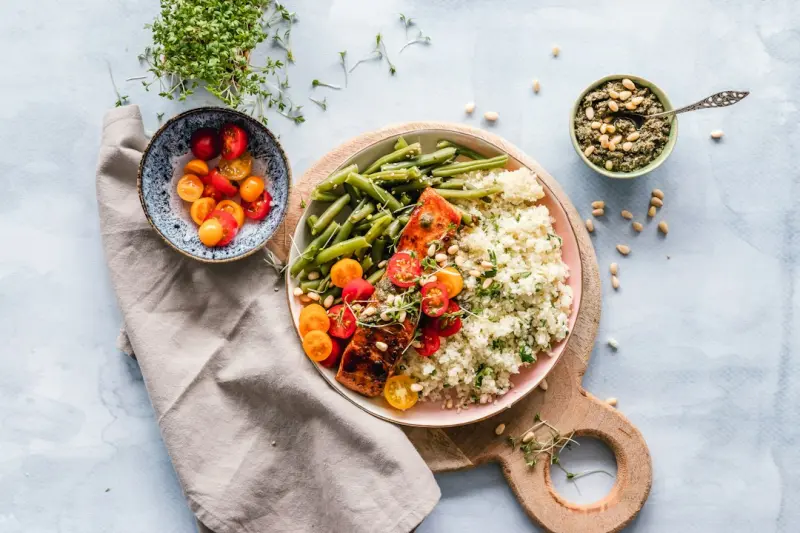
Beyond the Plate: How Mindful Snacks Power Remote Teams
A deep dive into the science of snack nutrition, seasonal produce, and sustainable sourcing shows ho... Read More

Unlocking the Hidden Power of Food Texture for Better Health
Explore how the feel of your food—from crunchy carrots to creamy yogurts—affects fullness, blood... Read More
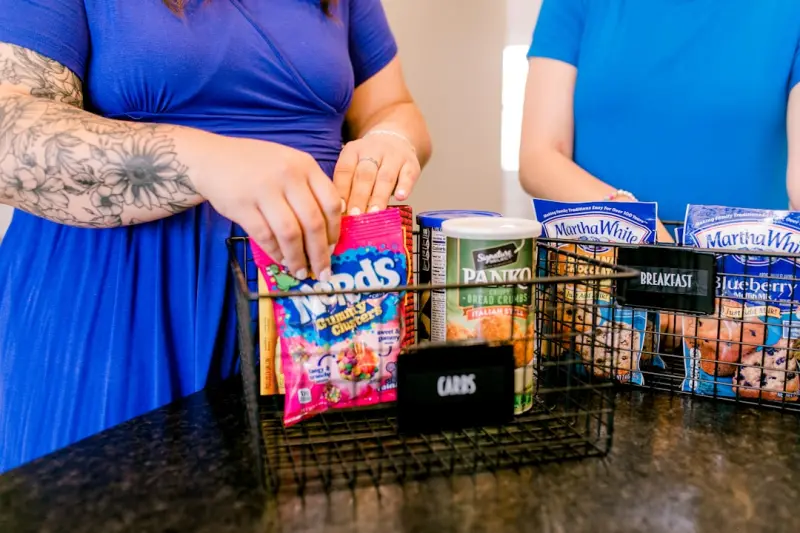
Why Your Snack Drawer Needs a Brain‑Boost Makeover
A personal experiment shows how swapping sugary snacks for nutrient‑dense pairings, fermentation, ... Read More
Top Posts

Legal 2.0: Reinventing SaaS Contracts for a Data‑Driven World
A deep dive into why SaaS contracts need a legal 2.0 overhaul, covering data privacy, subscription pricing, platform liability, and dispute resolution to turn a...Read More

The Hidden Levers of SaaS Savings: A Playbook for Smarter Spend
A practical guide to cutting SaaS expenses, from usage audits and bundling to smart negotiations and consumption‑based licensing, helping businesses turn soft...Read More

Community‑Owned Power: How Grassroots Energy Is Rewriting the National Landscape
Discover the rise of community‑owned renewable projects, their economic ripple effects, and how they’re redefining national energy policy and civic engageme...Read More

Reeling in Responsibility: Sustainable Angling Adventures Across Ontario
A fresh look at Ontario fishing that blends sustainable practices, modern tech, and community action, guiding anglers to protect the province’s lakes and rive...Read More
0 Comments
Post Comment
You will need to Login or Register to comment on this post!