

Zero‑Waste Dining: The New Moral Compass for Food Lovers
When I first walked into a restaurant that proudly displayed a “zero‑waste” badge, the experience felt less like a meal and more like a quiet protest against the relentless churn of disposable culture, a sentiment that has been simmering beneath my palate for years; the subtle shift from glossy menus to transparent waste dashboards whispered that our choices at the table can echo far beyond the plate, turning each bite into a statement of stewardship, and I quickly realized that this movement isn’t a fleeting trend but a profound re‑orientation of how we define culinary excellence, where sustainability becomes the secret ingredient that elevates flavor to purpose.
From Farm to Fork: Sourcing Strategies That Shrink the Footprint
Building a truly zero‑waste menu starts long before the chef lights the stove, demanding a partnership with growers who practice regenerative agriculture, harvest only what can be used, and deliver produce in reusable crates that return to the farm, a closed‑loop system that not only cuts carbon emissions but also nurtures soil health, and I’ve found that aligning with these farms creates a storytelling thread that diners can follow from field to fork, turning each ingredient into a narrative of resilience and care, a narrative that feels especially potent when paired with fermentation techniques that transform surplus greens into tangy condiments.
Menu Alchemy: Turning Scraps Into Signature Dishes
In the heart of the kitchen, waste becomes opportunity when chefs treat stems, peels, and leaves not as discardable debris but as raw material for inventive dishes, a practice I’ve watched turn humble carrot tops into bright pesto, coffee grounds into aromatic rubs, and overripe berries into luscious sorbets, each transformation reinforcing the idea that culinary creativity thrives under constraints, and the resulting plates often carry a story of redemption that diners love to share on social media, amplifying the restaurant’s commitment while simultaneously reducing landfill contributions.
Restaurant Design That Encourages Compost and Reuse
Physical space plays a silent yet powerful role in waste reduction; open‑kitchen layouts that showcase compost stations, sleek glass jars for broth‑based sauces, and modular furniture made from reclaimed wood not only educate patrons but also embed sustainability into the ambience, and I’ve noticed that when guests see compost bins nestled beside the bar or reusable cutlery neatly displayed at each table, their perception of the dining experience shifts from indulgence to participation, a subtle invitation to become co‑creators of a greener hospitality model.
Tech Tools That Track Waste in Real Time
Modern kitchens are increasingly equipped with digital scales, inventory apps, and AI‑driven analytics that monitor ingredient usage down to the gram, instantly flagging over‑ordering or excess prep that would otherwise slip unnoticed into the trash, and this data‑rich approach empowers chefs to adjust menus on the fly, reduce portion sizes without sacrificing satisfaction, and even reward staff for meeting waste‑reduction targets, turning what once was an invisible problem into a visible metric that drives continuous improvement.
Engaging Diners in the Zero‑Waste Journey
Transparency with guests turns compliance into collaboration; simple gestures like printing a “waste‑score” on the back of the receipt, offering a “take‑what‑you‑need” buffet, or inviting patrons to join a weekly compost‑workshop create a sense of shared responsibility, and I’ve found that when diners are invited to participate—whether by choosing a “scrap‑friendly” entrée or by learning how to repurpose leftovers at home—their loyalty deepens, fostering a community of advocates who champion the restaurant’s ethos long after the bill is paid.
Case Study: A Canadian Bistro That Went Full Circle
One standout example I recently visited is a modest bistro in downtown Toronto that has woven zero‑waste principles into every facet of its operation, sourcing from a network of urban farms, composting all organic waste on‑site, and even partnering with a local brewery to donate spent grain for bread dough; the result is a menu where the “leftover” carrot‑top pesto starter pairs perfectly with the house‑made sourdough, and the restaurant proudly highlights its achievement in a feature that references the hyper‑local dining movement, illustrating how community‑focused strategies can amplify both flavor and sustainability.
Policy and Community Support: Building a Sustainable Ecosystem
Beyond the walls of any single eatery, municipal incentives, waste‑diversion regulations, and collaborative platforms that connect restaurants with food‑rescue charities form the backbone of a thriving zero‑waste ecosystem, and I’ve observed that cities offering tax credits for compost infrastructure or streamlined permitting for rooftop gardens see a measurable drop in commercial food waste, while community‑run food hubs provide a marketplace for surplus ingredients, turning potential loss into shared abundance and reinforcing the idea that systemic change starts with localized action.
My Personal Commitment and How You Can Join
Embracing zero‑waste dining has reshaped my own relationship with food, prompting me to carry a reusable container to every brunch, to question menu descriptions that hide “day‑old” items, and to champion restaurants that publish their waste metrics; I encourage readers to start small—perhaps by asking a favorite café about its compost program or by experimenting with home‑grown herbs—and to amplify those successes on social platforms, because when each of us makes a conscious choice, the collective impact ripples outward, turning ordinary meals into powerful acts of ecological stewardship.

Related Posts

The Art of Menu Storytelling: How Restaurants Turn Dishes into Narratives
Explore the power of menu storytelling, from immersive narratives to digital tools, and learn action... Read More
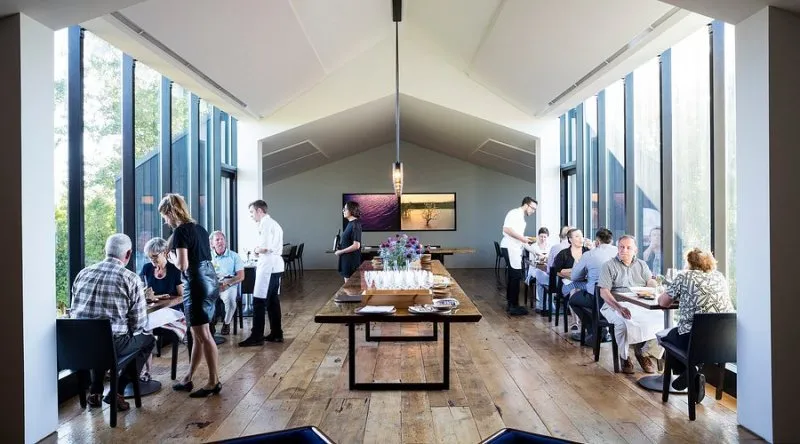
Discover Culinary Excellence: Why Restaurant Pearl Morissette Reigns Supreme in Canada
Have you ever dreamt of a dining experience that transcends the ordinary? An experience that marries... Read More

When Sound Becomes the Secret Ingredient in Your Restaurant
A deep dive into why sound matters in restaurants, practical steps to improve acoustics, and emergin... Read More
Top Posts
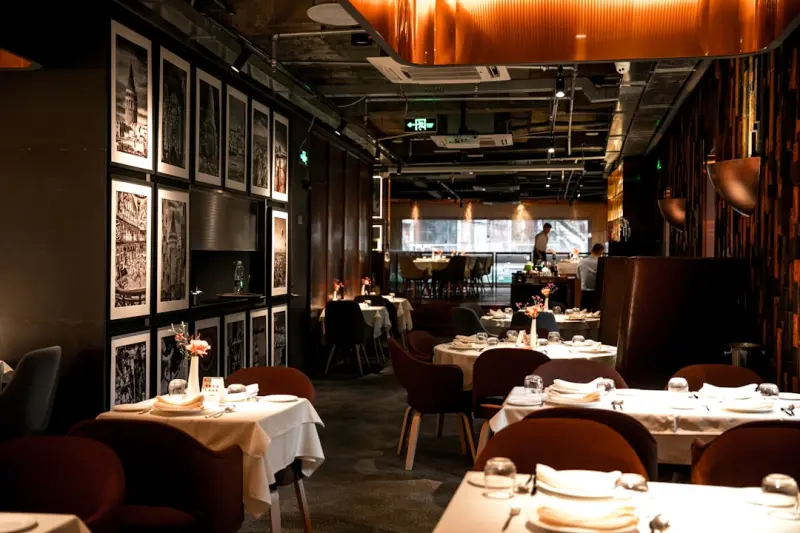
How Restaurants Can Turn Data into a Secret Sauce for Growth
A deep dive into turning raw restaurant data into actionable insights—from profit‑per‑dish metrics and predictive demand forecasting to personalized loyal...Read More

Citizen Science: Canada’s Quiet Data Engine Shaping the Nation
Everyday Canadians are becoming data collectors, feeding a nationwide engine that informs health alerts, climate action, and infrastructure planning, reshaping ...Read More

Redefining Prom & Graduation: DIY Glam on a Shoestring Budget
Learn how to create stunning, personalized prom and graduation looks on a shoestring budget using DIY hacks, community resources, and clever tech tricks for unf...Read More

When Parenting Meets Tech: A Cautionary Tale for Modern Families
A candid look at the hidden dangers of tech in parenting and practical steps to protect kids in a hyper‑connected world....Read More
0 Comments
Post Comment
You will need to Login or Register to comment on this post!