

Why City Streets Are the New Supermarket
When I first moved into a downtown loft, the nearest grocery store felt like a distant planet. I was used to farmers’ markets on the outskirts, but the concrete jungle didn’t scream “fresh produce.” That’s when I started looking up—literally—at the cracks between sidewalks, the edges of vacant lots, and the rooftops of old warehouses. What I discovered was a quiet, resilient world of edible weeds, wild berries, and hardy herbs thriving in the most unexpected places. This urban foraging adventure turned my kitchen from a place of scarcity into a pantry of surprise, and it reshaped my whole philosophy about what healthy food can be.
The Science Behind Urban Foraging
Foraging isn’t just a whimsical hobby; it’s backed by solid nutrition science. Wild greens like dandelion, chickweed, and purslane are packed with vitamins A, C, K, and minerals such as calcium and magnesium—often in concentrations far higher than cultivated lettuce. A single cup of purslane can provide more omega‑3 fatty acids than a serving of salmon. Moreover, because these plants grow without pesticides or synthetic fertilizers, you’re consuming food in its most natural, unadulterated form.
Research also shows that the phytonutrients in wild plants can boost antioxidant capacity, support gut health, and even reduce inflammation. In short, the nutrients you’re getting from a handful of city weeds can rival, and sometimes surpass, those from your favorite health‑food store.
Getting Started: Tools, Safety, and Ethics
- Tools: A small, sturdy pair of scissors, a breathable basket, and a field guide (or a reliable app) are all you need. A pair of gloves can be handy for thorny plants, but many foragers prefer the tactile connection of bare hands.
- Safety: Always identify plants positively before harvesting. Some urban weeds have toxic look‑alikes, especially near polluted sites. Avoid plants growing next to heavy traffic or industrial runoff. If in doubt, leave it out.
- Ethics: Harvest responsibly—take no more than 10% of a plant population, and leave enough for wildlife and future growth. Respect private property; seek permission when foraging on someone’s land.
Seasonal Foraging Calendar for the North‑Eastern Cityscape
Each season offers its own bounty. Below is a quick reference to help you plan your foraging trips:
- Spring: Dandelion greens, nettles (wear gloves), wild garlic, sorrel.
- Summer: Blackberries, mulberries, elderflowers, lamb’s quarters.
- Fall: Rose hips, hawthorn berries, chickweed, wild mustard.
- Winter: Cedar needles (rich in vitamin C), pine bark tea, evergreen leaves for infusions.
From Street Harvest to Plate: Simple Recipes that Shine
Now that you’ve gathered your urban treasure, the real fun begins—transforming it into meals that are both nutritious and delicious. Here are three starter recipes that let the wild flavors speak for themselves.
1. Dandelion & Walnut Pesto
Blend a handful of fresh dandelion greens (stems removed), toasted walnuts, a clove of garlic, a squeeze of lemon, and a drizzle of olive oil. Toss with whole‑grain pasta for a bright, bitter‑sweet dish that packs a calcium punch. If you’re curious about how microgreen magic can boost nutrient density, this pesto offers a comparable burst of vitamins without the need for a greenhouse.
2. Wild Berry Chia Jam
Combine freshly picked blackberries and a splash of water in a saucepan. Simmer until soft, then stir in chia seeds and a dash of honey. The result is a thick, antioxidant‑rich spread perfect on toast or stirred into oatmeal. The natural pectin from the berries pairs beautifully with chia’s omega‑3s, creating a snack that fuels both body and mind.
3. Elderflower & Sea Salt Kombucha
While many think kombucha requires elaborate brewing setups, you can give it a quick, wild twist by infusing a store‑bought kombucha with elderflower blossoms and a pinch of sea salt. Let it sit for 12‑24 hours in the fridge, then enjoy a refreshing, probiotic‑packed beverage that nods to the home‑made probiotic foods movement without the hassle of fermentation.
Integrating Foraged Foods into a Balanced Diet
While wild greens and berries are nutrient powerhouses, they work best when part of a varied diet. Pair foraged greens with protein sources like legumes, tempeh, or sustainably caught fish to create complete meals. Use foraged fruits as natural sweeteners in smoothies or desserts, reducing reliance on refined sugars. And don’t forget the importance of hydration—wild herbs can double as flavorful water infusions.
The Environmental Ripple Effect
Beyond personal health, urban foraging contributes to a greener cityscape. When residents value the edible plants growing in cracks and vacant lots, there’s a stronger incentive for municipalities to preserve green spaces, reduce pesticide use, and invest in native plant restoration. Moreover, foragers often become informal ambassadors, sharing knowledge that can inspire community gardens and rooftop farms.
Tech Tools for the Modern Forager
Even the most analog hobby can benefit from a digital boost. Apps that use AI-driven image recognition can help confirm plant identities in seconds, while online forums let you swap tips with fellow city foragers. If you’re interested in the broader conversation about how technology is reshaping food experiences, the hyper‑personalized dining trends piece dives into how data and taste are converging—though your foraging journey remains beautifully low‑tech at its core.
Challenges and How to Overcome Them
Urban foraging isn’t without its hurdles. Pollution can accumulate in soil, making certain areas off‑limits. Seasonal variability means you’ll need to adapt your menu throughout the year. And legal restrictions can vary city‑to‑city. To navigate these challenges, stay informed about local regulations, test soil in high‑traffic zones, and keep a flexible pantry that can pivot between wild and store‑bought ingredients.
Building a Community Around City Harvests
One of the most rewarding aspects of foraging is the sense of camaraderie it fosters. Organize a “wild walk” with neighbors, share recipes at a potluck, or start a social media group where members post their finds and tips. These gatherings not only spread knowledge but also reinforce the idea that healthy food can be sourced right outside our front doors.
Final Thoughts: Reclaiming the Urban Landscape
Healthy eating doesn’t have to be confined to grocery aisles or expensive subscription boxes. By turning the city’s overlooked nooks into a personal pantry, you tap into a resilient, nutrient‑dense food source that’s both sustainable and exhilarating. So next time you’re strolling past a vacant lot or a sun‑kissed sidewalk crack, pause, look down, and imagine the culinary possibilities waiting to be harvested. Your plate—and the planet—will thank you.

Related Posts

Fermented Futures: Unlocking Gut Health with Everyday Foods
Discover how everyday fermented foods like kimchi, kombucha, and miso can transform gut health, redu... Read More

Fermentation at Your Desk: Simple Gut‑Friendly Foods for Busy Professionals
Learn how easy, desk‑friendly fermentation can enhance digestion, energy, and focus with simple re... Read More
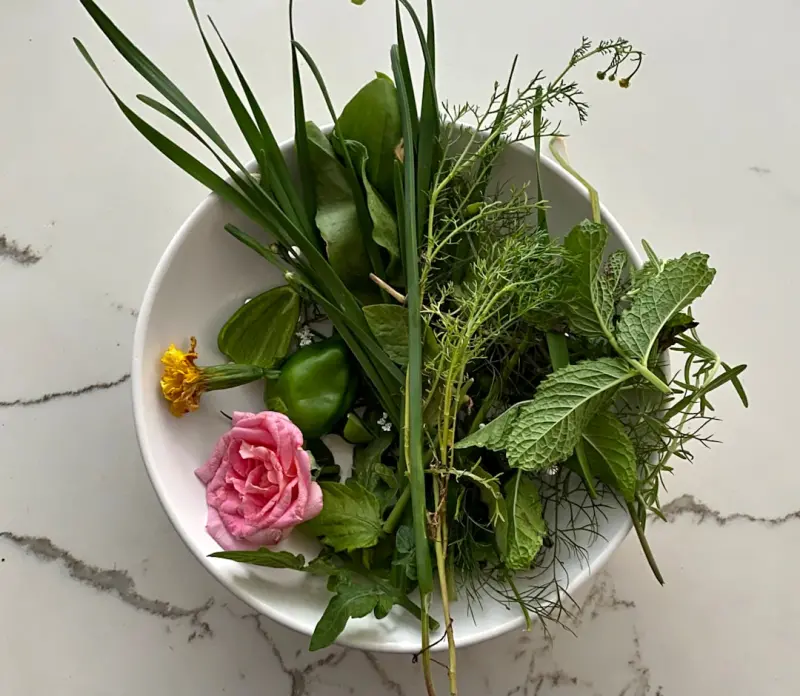
Foraging the Modern Kitchen: How Wild Ingredients Supercharge Your Health
Explore the benefits of foraging wild foods, from nutrient density and gut health to mental well‑b... Read More
Top Posts

Pharmacist‑Led Clinics: Redefining Primary Care in Canada
Pharmacist‑led clinics are emerging as a powerful solution to Canada's primary‑care challenges, offering faster access, integrated services, and cost saving...Read More

Beyond Bright Lights: Harnessing Light, Breath, and Movement for Workplace Wellness
A deep dive into how optimizing light exposure, practicing breathwork, and fostering group movement can transform workplace wellbeing and performance....Read More

Travel Subscriptions: How Membership Models Are Redefining the Way We Explore
Travel subscriptions are turning vacations into curated, sustainable experiences. Learn how membership models blend AI, community, and eco‑impact to reshape m...Read More

The Hidden Power of Deal Stacking: How B2B Teams Can Multiply Savings
Deal stacking blends volume discounts, loyalty perks, and smart bundling into a powerful savings strategy for B2B SaaS teams. Learn a step‑by‑step blueprint...Read More
0 Comments
Post Comment
You will need to Login or Register to comment on this post!