
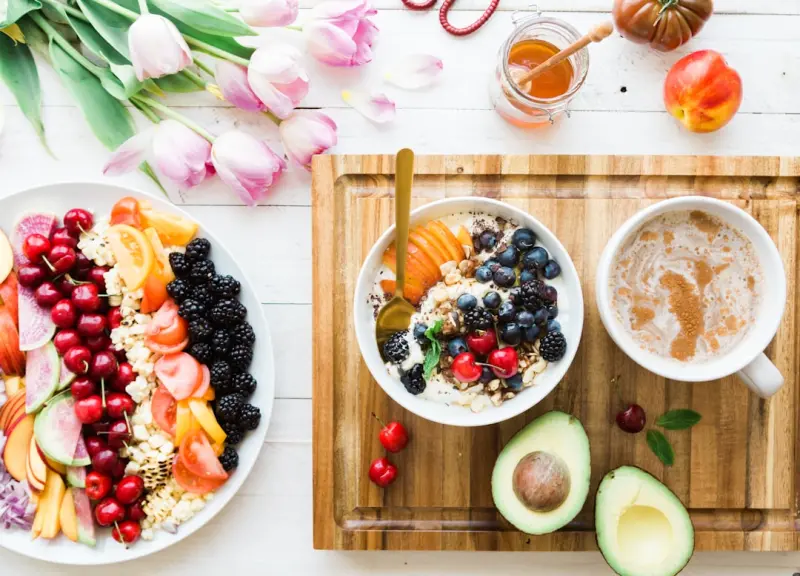
When I first walked into the bustling farmer’s market downtown, the kale was crisp, the berries glistened like tiny jewels, and the scent of rosemary mingled with freshly baked whole‑grain focaccia. I felt a spark of excitement—healthy eating isn’t just a checkbox on a to‑do list; it’s an invitation to explore flavor, culture, and the way our bodies respond to what we put on our plates. In this post, I’m sharing the strategies I use to turn everyday meals into vibrant, nutrient‑rich experiences without sacrificing the speed and convenience demanded by a modern professional life.
Why “Healthy” Should Mean “Delicious” First
All too often, the word “healthy” conjures images of bland chicken breasts and steamed broccoli. That perception is a relic of outdated diet myths that equate nutrition with monotony. The truth is simple: when food tastes good, you’re more likely to stick with it. Our taste buds evolved to seek out a balance of sweet, salty, bitter, and umami—each signal telling us something about the food’s nutritional profile. By honoring those signals, we can build meals that satisfy cravings while delivering the vitamins, minerals, and phytonutrients our bodies crave.
Think of your plate as a palette. A splash of citrus brightens a leafy salad, a drizzle of fermented kimchi adds a punch of umami, and a handful of toasted nuts delivers crunch and healthy fats. When flavors are layered thoughtfully, the eating experience becomes an act of self‑care rather than a chore.
Building a “Superfood” Toolbox That’s Realistic
Superfoods get a lot of hype, but they don’t have to be exotic or expensive to be effective. Below is a curated list of versatile ingredients that can be stocked in most kitchens, paired with quick prep ideas that fit a busy schedule.
- Leafy Greens (Spinach, Arugula, Kale) – Toss raw into a smoothie, sauté with garlic for a warm side, or use as a base for a protein‑rich bowl.
- Legume Power (Chickpeas, Lentils, Black Beans) – Roast chickpeas with smoked paprika for a snack, blend lentils into a thick soup, or mix beans into a quinoa salad.
- Whole Grains (Farro, Bulgur, Steel‑Cut Oats) – Cook a batch on Sunday and reheat throughout the week, or stir into a stir‑fry for added texture.
- Fermented Gems (Sauerkraut, Kimchi, Miso) – Add a spoonful to bowls for probiotic boost and a flavor punch.
- Bright Berries (Blueberries, Raspberries, Goji) – Sprinkle over yogurt, blend into a vinaigrette, or freeze for a cool snack.
- Nuts & Seeds (Almonds, Pumpkin Seeds, Chia) – Use as toppings, blend into nut butter, or soak chia for a pudding base.
Each of these items offers a unique blend of fiber, protein, healthy fats, and antioxidants. The key is rotating them so you never get bored and your nutrient intake stays varied.
Meal Prep Hacks for the Time‑Starved Professional
My favorite trick is to design “component meals” that can be mixed and matched throughout the week. Imagine a pantry of roasted vegetables, a protein station of grilled salmon, tofu, and boiled eggs, and a grain base of quinoa. By pairing these components differently each day, you create variety without extra cooking time.
Here’s a quick workflow I follow on Sunday:
- Plan the Week – Sketch a simple grid with proteins on one axis and sides on the other. This visual helps you see which combos you’ll enjoy.
- Batch Cook – Roast a sheet pan of mixed veggies (sweet potatoes, carrots, Brussels sprouts) with olive oil and herbs. While they bake, steam a pot of quinoa and grill your protein choices.
- Pack Smart – Use compartmentalized containers: one for grains, one for protein, one for veggies, and a small section for sauces or dressings.
- Refresh Daily – Add a fresh element each morning—a handful of greens, a squeeze of lemon, or a drizzle of tahini—to keep the meals lively.
This method reduces daily decision fatigue and ensures you’re fueling your body with balanced nutrition, not just grabbing the nearest vending‑machine snack.
Flavorful “Power Snacks” to Keep Energy Levels Steady
Snacking can be a hidden pitfall for many professionals. The typical office pantry offers sugary bars and processed chips, leading to inevitable energy crashes. Instead, I keep a stash of power snacks that combine protein, healthy fats, and a touch of natural sweetness.
Try these three easy recipes:
- Spiced Nut Mix – Toss almonds, walnuts, and pumpkin seeds with a pinch of cayenne, sea salt, and a drizzle of honey. Roast for 10 minutes.
- Greek Yogurt & Berry Parfait – Layer plain Greek yogurt, mixed berries, and a sprinkle of granola. Add a drizzle of almond butter for extra richness.
- Veggie‑Hummus Cups – Slice cucumbers, bell peppers, and celery into sticks. Portion hummus into small containers for dipping.
These snacks are portable, require minimal prep, and deliver sustained energy without the sugar spike.
Integrating Tiny Green Breaks into Your Workday
Even a five‑minute pause to nibble on a piece of fruit or a handful of nuts can reset your metabolism and sharpen focus. In fact, tiny green breaks have been shown to improve cognitive performance and reduce stress. Here’s how I make those moments count:
- Designate a “Snack Spot” – Keep a small basket of fresh fruit or a jar of pre‑portioned nuts on your desk.
- Mindful Eating – Take a breath, notice the texture and flavor, and savor each bite. This practice turns a quick snack into a mini‑meditation.
- Move While You Munch – Walk to the water cooler or do a quick stretch while you eat, combining physical activity with nourishment.
These micro‑habits are surprisingly powerful, especially when paired with a diet rich in whole foods.
Technology Meets Nutrition: Leveraging Data Without Losing Joy
While I’m not a fan of turning every bite into a data point, smart tools can help you stay on track without feeling restricted. Apps that track macro‑nutrient intake can be useful, but I prefer using them as a gentle guide rather than a strict rulebook. For instance, setting a daily goal for “colorful plates” encourages you to include at least three different colored foods each meal—a simple visual cue that boosts micronutrient diversity.
If you’re curious about how digital health platforms are evolving, the piece on AI and digital identity in remote healthcare offers insight into the broader landscape. The key takeaway for food lovers: technology should empower you to make better choices, not dictate them.
Seasonal Swaps: Keeping Your Menu Fresh Year‑Round
Eating with the seasons isn’t just a trend; it’s a strategy that aligns your diet with the natural ebb and flow of nutrient availability. In summer, lean on tomatoes, zucchini, and stone fruits. Autumn calls for squash, apples, and root vegetables. Winter welcomes kale, citrus, and hearty legumes. By rotating your staples, you not only enjoy peak flavor but also support local farmers and reduce your carbon footprint.
Here’s a simple seasonal swap chart to inspire your next grocery run:
| Season | Veggie | Fruit | Protein Pairing |
|---|---|---|---|
| Spring | Asparagus | Strawberries | Grilled shrimp |
| Summer | Bell Peppers | Peaches | Chicken breast |
| Fall | Butternut Squash | Pears | Lentils |
| Winter | Brussels Sprouts | Oranges | Salmon |
Use this as a launchpad to craft new recipes—think roasted butternut squash quinoa bowls with a citrus‑ginger dressing for a cozy fall lunch.
Closing Thoughts: Your Health Journey Is a Celebration, Not a Chore
Healthy eating is a dynamic adventure that evolves with your lifestyle, preferences, and the world around you. By focusing on flavor, convenience, and mindful habits, you can nourish your body without feeling like you’re sacrificing pleasure or time. Remember, the goal isn’t perfection; it’s progress—one vibrant bite at a time.

Related Posts

Why Your Plate Should Look Like a Rainbow: The Science of Colorful Nutrition
A deep dive into why colorful plates matter, the science behind each hue’s nutrients, and actionab... Read More
Unlocking Food Synergy: How Smart Ingredient Pairings Supercharge Your Health
Explore how strategic food pairings enhance nutrient absorption, improve immunity, and boost energy.... Read More
Fermented Foods: Your Everyday Vitality Boost
Unlock the power of fermentation with everyday foods that nourish your gut, elevate energy, and prot... Read More
Top Posts

Housing Crunch Meets Federal Strategy: A New Canadian Alliance
Canada’s housing affordability crisis is prompting an unprecedented federal‑provincial alliance, uniting funding, zoning reform, and data transparency to ta...Read More

The Evolution of Canadian Agriculture: A Shift Towards Sustainable Practices
Canadian agriculture is undergoing a significant transformation towards sustainable practices. Learn how farmers are adopting innovative techniques to reduce th...Read More

Harvesting Data: How Canadian Farmers Are Turning Sensors into Community Power
Mark Daniels explains how Canadian farms are transforming soil sensors into shared data assets, fostering cooperative insights that improve yields, reduce costs...Read More

Healing the Land Within: Indigenous‑Led Mental Health Revolution in Canada
A deep dive into the rise of Indigenous‑driven mental health programs across Canada, highlighting land‑based therapies, cultural sovereignty, and innovative...Read More
0 Comments
Post Comment
You will need to Login or Register to comment on this post!