

The Power of Narrative Journeys on Cruise Ships and Coach Lines
Imagine stepping aboard a sleek cruise liner or sinking into the plush seats of a premium coach, only to discover that the itinerary is not merely a sequence of ports or pit‑stops, but a living story that unfolds with every mile traveled. Storytelling has become the hidden engine that transforms a standard vacation into an immersive cultural expedition, turning ordinary shore excursions into chapters of a personal adventure that travelers can recall long after the waves have settled. This fresh approach invites guests to become protagonists, not just passengers, and it reshapes expectations for both maritime and overland experiences.
Audio Narratives that Bridge Sea and Land
One of the most effective tools in this narrative revolution is a curated audio feed that synchronizes with the ship’s route and the bus’s itinerary, delivering bite‑sized histories, legends, and local anecdotes exactly when they matter most. By partnering with regional historians, indigenous storytellers, and marine biologists, operators can embed a dynamic soundtrack of place‑based knowledge that plays through personal headsets or ship‑wide speakers, turning a simple sunrise over a harbor into a moment of shared discovery. For a deeper look at how hybrid travel formats amplify engagement, see Why Multi‑Mode Adventures Are the Future of Travel.
Pop‑Up Dining as a Narrative Platform
The dining room, often relegated to a backdrop of bland buffets, is now being reimagined as a stage for culinary storytelling, where temporary kitchens appear like scenes in a play, each dedicated to the flavors of the next port of call. Chefs collaborate with local farmers and street vendors to craft menus that narrate the region’s agricultural heritage, seafood traditions, or spice routes, turning each bite into an educational moment that complements the surrounding narrative. This concept mirrors the innovative spirit of the Pop‑Up Kitchen Revolution, proving that food can be both sustenance and a compelling plot device.
Designing Itineraries that Weave Together Waves and Wheels
Modern travel designers are abandoning the old linear model in favor of a tapestry‑like itinerary that stitches together short sea legs with scenic bus tours, allowing passengers to explore hinterlands that would otherwise be missed on a conventional cruise. By scheduling strategic disembarkations at lesser‑known coastal towns and then deploying luxury coaches to nearby vineyards, mountain villages, or historic trade routes, operators create a rhythm of “anchor‑then‑arrive” that deepens the sense of place and keeps curiosity alive throughout the journey. This seamless transition between water and road not only maximizes exposure to regional culture but also supports local economies by directing foot traffic toward small‑scale attractions.
Sustainable Storytelling: Reducing Footprints While Enriching Minds
Embedding narrative elements into cruise and bus experiences can also serve a sustainability agenda, as informed travelers are more likely to adopt low‑impact behaviors when they understand the ecological stakes of the environments they visit. Guides can weave in tales of marine conservation, forest regeneration, and community stewardship, prompting guests to participate in beach clean‑ups, wildlife monitoring, or carbon‑offset programs that feel like natural extensions of the story rather than forced obligations. This marriage of education and entertainment cultivates a generation of tourists who view preservation as an integral chapter of their travel tale.
Interactive Workshops that Turn Passengers into Co‑Creators
Beyond passive listening, the most memorable journeys now feature hands‑on workshops where travelers collaborate with local artisans, marine scientists, or culinary experts to co‑create a piece of the narrative they can take home. Whether it’s learning traditional knot‑tying aboard a ship’s deck, painting a coastal sunrise in a bus‑side studio, or brewing a regional tea blend during a shore‑side stop, these activities transform the itinerary into a participatory storybook. By giving guests a tangible artifact of their experience, operators deepen emotional attachment and encourage word‑of‑mouth promotion that extends the journey’s reach long after the final port of call.
Tech‑Enhanced Storytelling: AR Windows, QR Codes, and Live Feeds
Cutting‑edge technology is amplifying the narrative potential of cruises and bus tours, with augmented‑reality windows that overlay historic photographs onto modern cityscapes, QR codes that unlock hidden video interviews with community elders, and live social‑media feeds that let passengers share story snippets in real time. These digital layers act as a bridge between the physical environment and a rich repository of contextual content, ensuring that every landmark is accompanied by a deeper, multi‑sensory explanation. When travelers can instantly access a 3‑minute documentary about a lighthouse’s role in maritime trade, the experience shifts from sightseeing to immersive learning.
Future Trends: Micro‑Heritage Routes and Community Partnerships
Looking ahead, the industry is gravitating toward micro‑heritage routes—short, highly focused voyages that spotlight a single cultural or ecological theme, such as “The Salt‑Making Coast” or “The Whale‑Watching Corridor”—each supported by strong partnerships with local municipalities, museums, and NGOs. These collaborations ensure authenticity, provide exclusive access to off‑the‑grid sites, and generate revenue streams that benefit the host communities directly. As travelers increasingly seek depth over breadth, operators that can craft tightly woven narratives around niche topics will set new standards for meaningful, responsible tourism.
Conclusion: Embrace the Story, Sail and Roll with Purpose
The era of generic itineraries is giving way to a storytelling renaissance that redefines what it means to cruise the seas or ride the open road. By integrating curated audio, pop‑up culinary chapters, interactive workshops, and tech‑enhanced layers, travel providers can turn each voyage into a living novel where passengers are both readers and co‑authors. This narrative‑first mindset not only elevates guest satisfaction but also drives sustainable practices, supports local economies, and builds lasting brand loyalty—proving that when the story is compelling, the journey itself becomes unforgettable.

Related Posts

Charting Personalized Horizons: How Data Is Redefining Cruises and Bus Tours
Explore the rise of hyper‑personalized travel, where data and AI craft bespoke cruise and bus tour... Read More
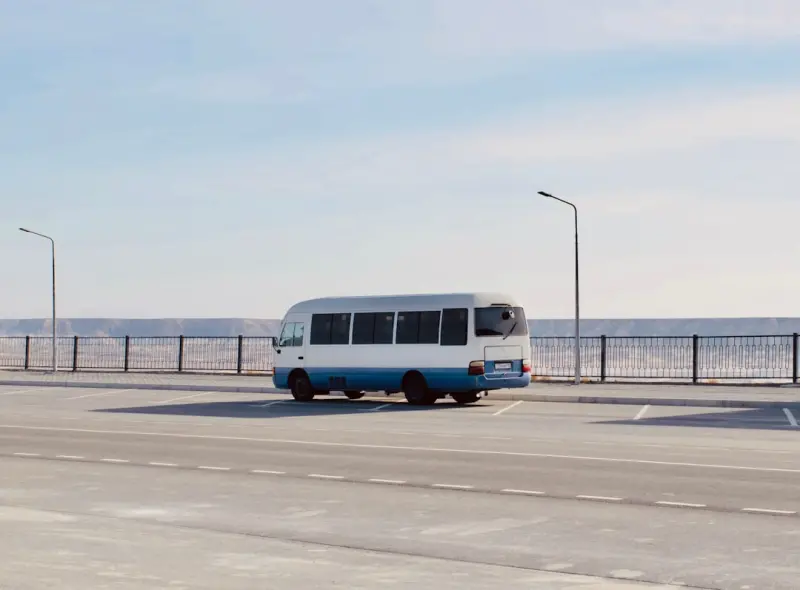
From Decks to Roadways: Crafting Seamless Cruise‑Bus Adventures
Explore the fresh trend of blending high‑end cruises with intimate bus excursions, offering travel... Read More
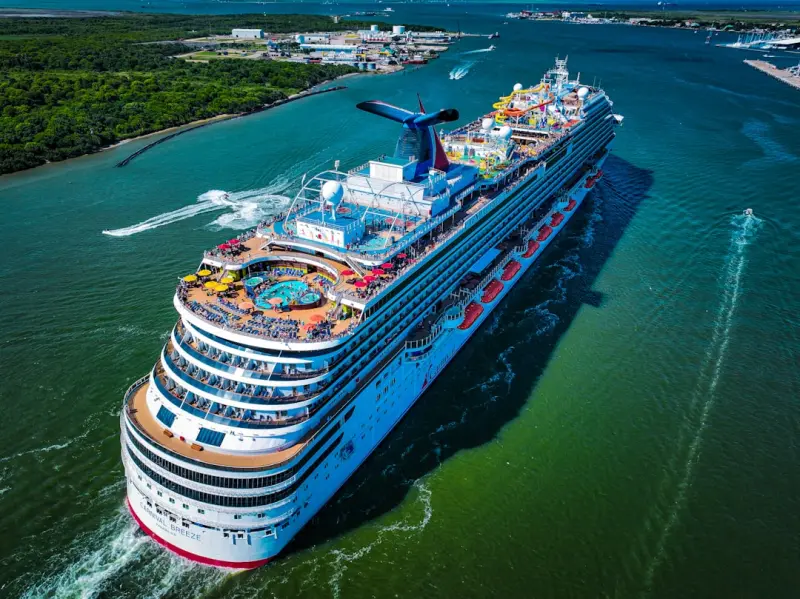
Charting New Waters: Turning Cruises & Bus Tours into Personal Narratives
Discover a fresh approach to cruising and bus touring that turns every stop into a chapter of your o... Read More
Top Posts
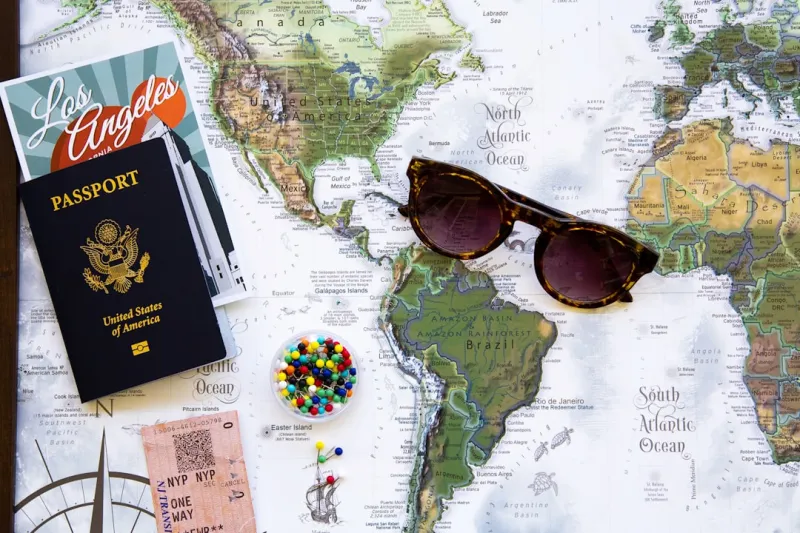
Wanderlust Reimagined: Shawn DesRochers on Hybrid Travel, Smart Savings, and Sustainable Adventures
Shawn DesRochers shares his insider perspective on hybrid travel, budgeting tips, and sustainable tourism, guiding readers to unforgettable, responsible journey...Read More

National Hackathons Powering Climate Innovation
A new wave of nationwide hackathons is uniting tech talent, policymakers, and local communities to create climate‑focused solutions that are practical, scalab...Read More

Indigenous‑Led Health Initiatives: Reclaiming Wellness Across Canada
Discover the rise of Indigenous‑led health centres, their holistic blend of tradition and technology, and how they’re redefining Canada’s healthcare lands...Read More

Live‑First Canada: How Intimacy, Indigenous Voices, and eSports Are Redefining Entertainment
Canada’s entertainment scene is shifting from virtual fatigue to vibrant live experiences, with intimate concerts, Indigenous performances, and thriving eSpor...Read More
0 Comments
Post Comment
You will need to Login or Register to comment on this post!