
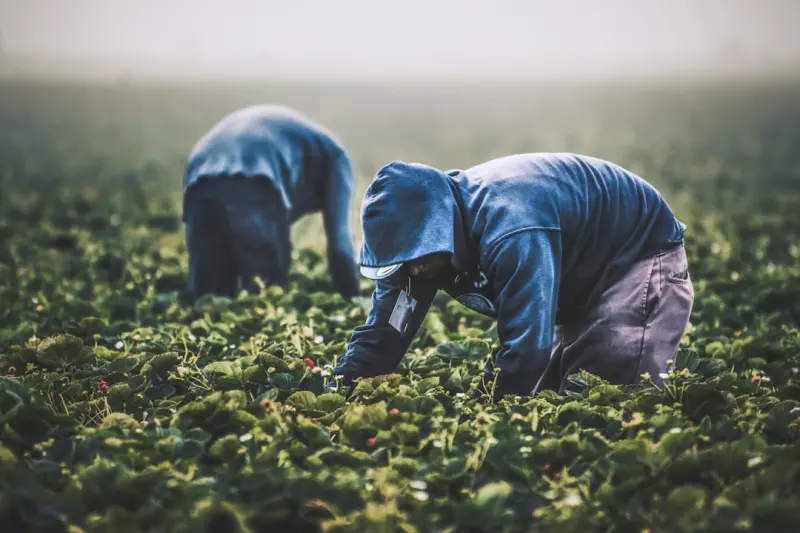
Harvesting Hope: The New Frontier for Canadian Farmers
When I first stepped onto my grandfather’s wheat field in the rolling plains of Saskatchewan, the horizon seemed endless—a seamless line where sky met soil. That view, once a simple backdrop to family meals and hard‑won harvests, now feels like a canvas for a new kind of farming story. The challenges we face today—climate volatility, market pressures, and an evolving rural workforce—demand more than just a strong back and a seasoned tractor. They call for resilience, creativity, and a willingness to rewrite the narrative of what it means to be a Canadian farmer.
The Silent Strain: Mental Health on the Homestead
For generations, the image of the stoic farmer has been romanticized in Canadian folklore. Yet behind that stoic façade lies a silent strain that many of us have learned to carry in isolation. Loneliness, anxiety about unpredictable weather, and the weight of generational expectations can erode mental wellbeing.
Recent surveys from agricultural health organizations reveal that up to one in three farmers experience symptoms of depression or anxiety, yet less than half seek professional help. The stigma surrounding mental health in rural communities is a barrier that we must dismantle.
One practical step is establishing peer‑support circles. These are informal gatherings—often held in community halls or even over a shared coffee at the local co‑op—where farmers can discuss challenges without judgment. The power of a shared story is undeniable: when you hear a neighbor describe a successful pivot to diversified crops, it plants a seed of possibility in your own mind.
Storytelling as a Tool: From Fields to Digital Platforms
Storytelling isn’t just for campfires; it’s a strategic asset in the modern agricultural landscape. By sharing the journey of planting, tending, and harvesting through videos, podcasts, or written blogs, farmers can connect directly with consumers, investors, and policy‑makers.
Take the example of a family orchard in the Okanagan that launched a weekly video series documenting the life cycle of their apples. Not only did this build a loyal customer base eager to purchase “the apple they’ve been watching grow,” it also opened doors to partnerships with local schools for educational field trips.
Integrating immersive audio technologies can elevate these narratives. Imagine a virtual tour where listeners can hear the wind rustle through rye, the distant hum of a combine, or the subtle crackle of a bonfire on a cool evening. Such sensory experiences forge deeper emotional bonds between the audience and the land, turning passive observers into active supporters.
Community‑First Models: Turning Neighbors into Partners
Traditional farm marketing often relies on bulk sales to large distributors, a model that can leave small producers vulnerable to price fluctuations. A community‑first marketing approach flips this script by placing the local consumer at the heart of the value chain.
Consider a cooperative of dairy farms in Nova Scotia that created a subscription service delivering fresh milk, cheese, and butter directly to households within a 30‑kilometre radius. Subscribers receive weekly newsletters featuring farm updates, recipe ideas, and invitations to “farm days” where families can experience milking and cheese‑making firsthand. The result? Higher profit margins, reduced carbon footprints from shorter transport routes, and a revitalized sense of community pride.
These models thrive on transparency. When consumers know exactly where their food comes from and the people behind it, trust grows. Trust, in turn, translates into willingness to pay a premium for quality and sustainability—something that many small‑scale Canadian farmers need to remain viable.
Regenerative Practices: Healing the Land While Feeding the Nation
Regenerative agriculture isn’t a buzzword; it’s a science‑backed pathway to restoring soil health, sequestering carbon, and improving biodiversity. Practices such as cover cropping, reduced tillage, and rotational grazing rebuild organic matter in the soil, which enhances water retention—a critical advantage amid increasingly erratic precipitation patterns across the Prairies and the Maritimes.
One pioneering project in British Columbia’s interior demonstrates the power of regenerative methods. A mixed‑crop farm introduced a three‑year rotation: legumes, brassicas, and grains. Over the cycle, soil nitrogen levels rose by 20 %, while pest pressures dropped dramatically, reducing the need for chemical inputs. The farm also installed a small‑scale solar array, powering irrigation pumps and cutting electricity costs by nearly half.
These successes aren’t isolated. Across Canada, networks of farms are sharing data through open‑source platforms, creating a collaborative knowledge base that accelerates innovation. By treating the farm as an ecosystem rather than a production line, we’re cultivating a future where agriculture and nature coexist symbiotically.
Technology with a Human Touch: The Role of AI and Data
Artificial intelligence often conjures images of cold algorithms making decisions in distant data centers. However, when applied thoughtfully, AI becomes a compassionate assistant that amplifies a farmer’s intuition rather than replacing it.
Precision agriculture tools now offer real‑time insights on soil moisture, pest hotspots, and crop health via satellite imagery and IoT sensors. A small grain farm in Manitoba recently adopted a decision‑support system that predicts optimal planting dates based on historical weather patterns and current soil conditions. The system’s recommendations have improved yield consistency by 8 % while reducing fertilizer usage.
It’s essential to navigate the legal and ethical dimensions of these technologies. As AI becomes more integrated into farm management, questions arise about data ownership, liability, and algorithmic bias. Engaging with resources like AI advocacy discussions can help farmers protect their interests while embracing innovation.
Agri‑Tourism: Diversifying Income Streams
Beyond the fields, farms are becoming destinations. Agri‑tourism offers a dual benefit: supplemental income and educational outreach. By opening their gates to visitors, farmers can showcase sustainable practices, share culinary traditions, and celebrate regional heritage.
In the Annapolis Valley, a family vineyard introduced a “Harvest Festival” featuring grape stomping, farm‑to‑table meals, and workshops on composting. The event attracted over 2,000 attendees in its inaugural year, generating a 30 % boost in wine sales and establishing a recurring tourism partnership with local hotels.
Successful agri‑tourism hinges on authenticity. Visitors crave genuine experiences—seeing the labor behind the produce, tasting the flavors of the land, and learning the stories that make each farm unique. By curating immersive moments, farms can transform casual tourists into lifelong ambassadors.
Building Resilience Through Collaboration
Resilience isn’t an individual attribute; it’s a collective strength. Collaborative initiatives—whether they’re shared equipment pools, joint marketing campaigns, or regional climate adaptation plans—allow farms to mitigate risk and leverage economies of scale.
In the Atlantic provinces, a consortium of small‑scale fish farms has established a shared processing facility. By consolidating resources, they reduce per‑unit costs, meet stringent food safety standards, and gain access to larger export markets that would be unreachable independently.
Similarly, cross‑province farmer alliances are lobbying for infrastructure improvements such as broadband expansion. Reliable internet connectivity is no longer a luxury; it’s a prerequisite for accessing market data, remote monitoring tools, and digital financing platforms.
Future Outlook: Cultivating Hope, Not Just Crops
The narrative of Canadian farming is evolving from a story of survival to one of thriving innovation. By prioritizing mental wellbeing, embracing storytelling, adopting regenerative practices, and forging community‑centric business models, farmers are planting the seeds of a resilient future.
Change is never instantaneous, but each step—whether it’s a farmer joining a peer‑support circle, a family launching an immersive audio farm tour, or a co‑op adopting a subscription model—adds momentum. The fields that once seemed endless now feel like a network of possibilities, each plot a chapter in a larger, hopeful story.
As we continue to nurture the land, let’s also nurture the people who tend it. After all, a healthy farmer cultivates a healthy farm, and together they harvest hope for generations to come.

Related Posts
Powering the Prairie: How Canadian Farmers Are Turning to Renewable Energy
Canadian farmers are embracing solar panels, wind turbines, and biogas digesters to transform energy... Read More
Harvesting Power: How Canadian Farmers are Turning Renewable Energy into a Competitive Edge
Canadian farmers are embracing renewable energy—solar panels, wind turbines, and bioenergy—to cu... Read More
The Next Harvest: How Canadian Farmers Are Harnessing Collaborative Tech for Resilience
Canadian farmers are shifting from isolated operations to collaborative networks, sharing equipment,... Read More
Top Posts

The Quiet Power Shift: How Canada's Provincial Parties Are Redefining National Debate
Provincial parties are no longer peripheral; their policy experiments, strategic alliances, and grassroots financing are forcing the federal government to adapt...Read More

How Community Kitchens Are Redefining Urban Cost‑of‑Living
Community kitchens unite residents to share resources, bulk‑buy ingredients, and harness renewable energy, dramatically cutting food and utility costs while s...Read More
Cultivating Calm: Canadian Farmers Redefine Rural Wellness
Canadian growers are breaking silence on mental health, forming peer‑support circles, leveraging tele‑health, and integrating wellness hubs, reshaping rural...Read More

Seasonal Light and Warmth: Designing a Canadian Home for Year‑Round Comfort
Learn practical strategies for maximizing natural light, retaining heat, and using flexible furniture to keep your Canadian home comfortable and stylish all yea...Read More
0 Comments
Post Comment
You will need to Login or Register to comment on this post!