
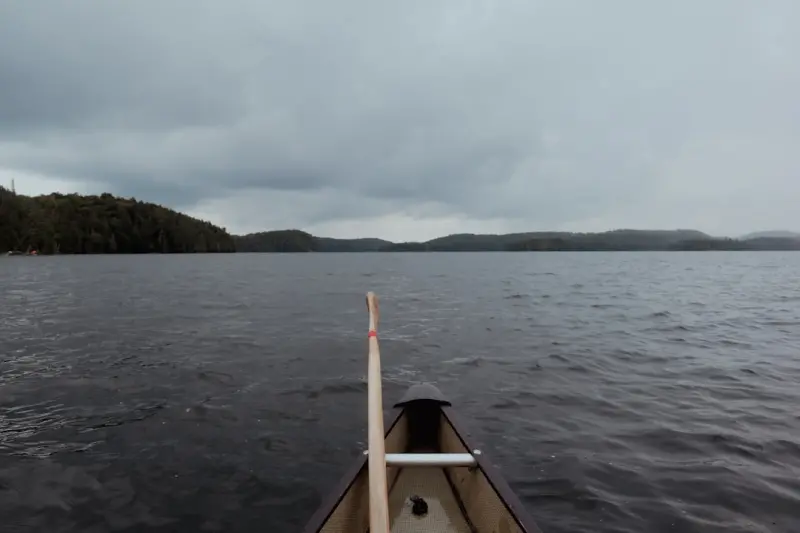
Finding Calm on the Water: Ontario’s Therapeutic Fishing Experience
When I first set foot on the quiet shoreline of Lake Simcoe at dawn, the world seemed to exhale with me, and the gentle lapping of water against the dock became a metronome for my thoughts. Fishing in Ontario is more than a pastime; it is an invitation to pause, to listen to the subtle chorus of insects, wind, and distant loons that together create a soundscape unmatched by any city street. In those moments, the stress of deadlines and digital notifications fades, replaced by a simple, primal rhythm of casting and waiting that re‑centers the mind. This article explores why that rhythm matters, how it nurtures mental health, and what you can do to make every outing a restorative ritual.
The Science of Stillness: How Angling Supports Mental Well‑Being
Research from Canadian universities shows that the act of focusing on a bobbing float triggers a state of mindful attention, lowering cortisol levels and improving heart‑rate variability, two key markers of reduced anxiety. When you stand in a canoe, the steady motion of the water mirrors the breath, encouraging a natural, diaphragmatic rhythm that calms the nervous system without any formal meditation technique. Moreover, the anticipation of a bite releases dopamine, rewarding the brain in a way that sustains motivation and optimism throughout the day. By framing each trip as a self‑care appointment rather than a task, anglers discover a low‑cost, high‑impact strategy for maintaining emotional balance.
Nature’s Classroom: Sensory Immersion and Cognitive Renewal
Ontario’s diverse waterways—from the crystal‑clear streams of Algonquin to the broad, mist‑kissed bays of Georgian Bay—offer a multisensory classroom where sight, sound, and touch converge to sharpen focus and boost creativity. The subtle change in water temperature as a trout glides beneath a rock teaches the body to read nuanced cues, while the smell of pine and fresh earth grounds the mind in the present moment. Each ripple becomes a lesson in patience, reminding us that solutions often arrive quietly rather than with fanfare. As a result, regular anglers report heightened problem‑solving abilities at work, attributing their success to the mental flexibility cultivated on the water.
Family Ties: Passing the Rod, Sharing the Story
My earliest memories involve my grandfather’s weathered wooden rod, a battered tackle box, and the quiet encouragement to “watch the water, not the clock.” Those intergenerational moments forge a shared language that transcends everyday conversation, allowing grandparents, parents, and children to communicate through silence, laughter, and the occasional triumphant shout when a bass finally bites. This tradition builds resilience, as younger family members learn to cope with the inevitable “no‑catch” days by observing the calm perseverance of their elders. In turn, elders rediscover purpose, feeling needed and valued as mentors who transmit both skill and philosophy.
Seasonal Rhythms: Aligning Your Calendar with Nature’s Clock
Ontario’s fishing calendar follows a predictable yet dynamic cycle, each season offering distinct opportunities that reward those who attune themselves to nature’s timing. Spring brings spawning runs of walleye and pike, inviting anglers to experiment with soft plastics that mimic emerging fry, while summer’s warm evenings are perfect for nightcrawlers that attract bass lurking in shaded coves. Autumn’s crisp air triggers a surge of lake trout seeking deeper, cooler waters, encouraging the use of jigging techniques that capitalize on their aggressive feeding. Finally, winter’s ice cover provides a contemplative stillness, where the simple act of drilling a hole becomes a meditation in itself. Understanding these patterns not only improves catch rates but also deepens respect for the ecological ebb and flow that sustains our sport.
Stories of the Fish: Ontario’s Signature Species and Their Legends
Every species in Ontario’s waters carries a folklore that enriches the fishing experience, turning a simple catch into a narrative thread woven through local culture. The northern pike, often called the “water wolf,” is celebrated in Indigenous stories as a symbol of strength and vigilance, while the elusive muskellunge—affectionately dubbed “the monster of the lake”—has inspired countless tales of heroic battles between anglers and the “lake devil.” Meanwhile, the lake trout, with its silvery armor, is revered by anglers who see it as a test of skill, rewarding patience with a clean, powerful fight. By learning these legends, you not only honor the fish but also connect with the broader heritage that defines Ontario’s angling identity. For those seeking hidden gems where these legends come alive, the lesser‑known tributaries of the Ottawa River often hold the quiet drama of a perfect encounter.
Mindful Preparation: Gear, Technique, and the Right Attitude
While high‑tech gadgets have their place, the most rewarding catches often come from simplicity—a well‑balanced rod, a reliable line, and a mindset rooted in patience. Begin each outing with a brief visual inspection of your gear, ensuring that knots are tight, reels spin smoothly, and lures are free of corrosion; this ritual reinforces a sense of control and reduces anxiety before you even launch the boat. Next, choose a technique that matches the current conditions, whether it’s slow drifting with a slip sinker for bottom‑dwelling perch or a rapid surface pop for aggressive bass during a sunny afternoon. Finally, adopt a “learning‑first” attitude, treating each cast as an experiment rather than a transaction, which transforms missed bites into valuable data points for future success.
Stewardship and Regulation: Respecting the Balance for Future Generations
Ontario’s fishing regulations exist not to limit enjoyment but to preserve the delicate ecosystems that make the sport possible, and understanding them is a form of self‑care for the environment. By staying informed about size limits, bag quotas, and seasonal closures, anglers help maintain healthy populations, ensuring that tomorrow’s children can experience the same thrill of a clean strike. Embracing sustainable fishing practices—such as practicing catch‑and‑release on vulnerable species, using barbless hooks, and cleaning up after each trip—creates a ripple effect of stewardship that extends beyond personal recreation. Moreover, engaging with local conservation groups offers opportunities to give back, whether through habitat restoration projects or citizen‑science data collection, reinforcing the idea that every angler is also a guardian of the water.
Closing the Loop: Turning Every Trip into a Personal Retreat
In a world that constantly demands our attention, the act of stepping onto Ontario’s shore, casting a line, and listening to the water’s whispers becomes a deliberate act of self‑preservation. By recognizing fishing as a holistic practice—one that nurtures mental health, strengthens family bonds, honors seasonal rhythms, and upholds ecological responsibility—you transform each outing into a personal retreat that fuels both body and spirit. So the next time you hear the soft splash of a bobber, pause, breathe, and let the water teach you its quiet lessons; the lake will reward you not only with fish, but with a renewed sense of balance that carries far beyond the shoreline.

Related Posts
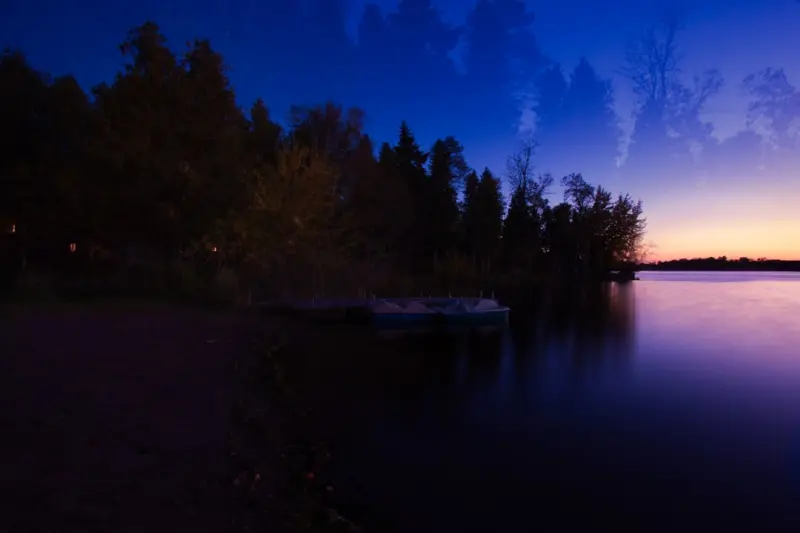
Night Fishing in Ontario: Tips, Spots, and the Thrill of the Dark
Explore the excitement of night fishing in Ontario with gear guides, prime locations, safety advice,... Read More
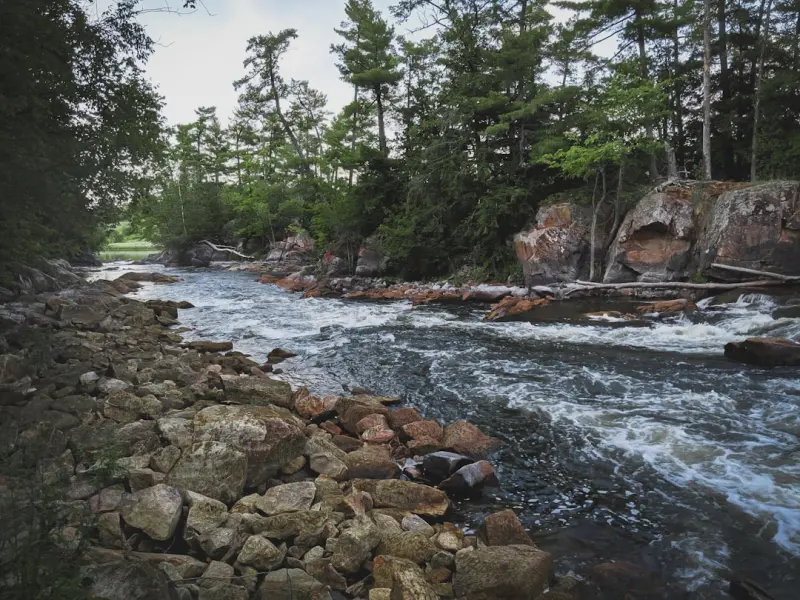
Hidden Tributaries: Ontario’s Untapped Fishing Havens
Explore Ontario’s hidden waterways, seasonal cues, Indigenous insights, and eco‑friendly tips to... Read More

Hidden Waters: Discover Ontario’s Secret Fishing Spots and Night‑Time Tactics
Dive into Ontario’s hidden fishing gems, learn night‑time techniques, and adopt low‑impact gea... Read More
Top Posts

Ghost Kitchens and the Future of Dining: What Restaurants Need to Know
A deep dive into the rise of ghost kitchens, their operational advantages, challenges, and how traditional restaurants can adapt to stay competitive....Read More
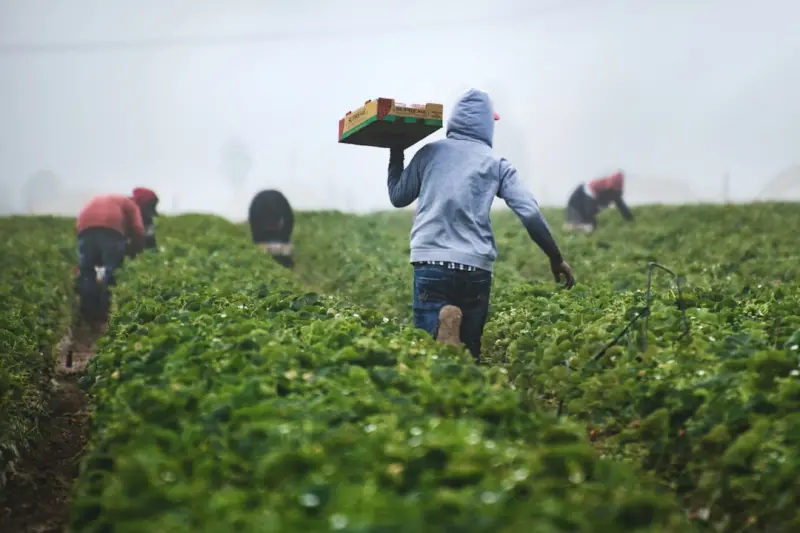
Beyond the Fields: A Farmer’s Journey to Resilience and Innovation
From soil health to AI tools, Canadian growers are redefining farming by embracing regenerative methods, community well‑being, and purpose‑driven business m...Read More

Ghost Kitchens Unleashed: How Traditional Restaurants Can Ride the Delivery Wave
Ghost kitchens are reshaping the restaurant industry. Learn how traditional eateries can leverage delivery‑only spaces, tech tools, and smart menu design to u...Read More

Beyond Numbers: Real‑Time Tariff Intelligence for Agile SaaS Growth
This post reveals how SaaS firms can turn real‑time tariff intelligence into a competitive advantage, integrating it with pricing, product design, and partner...Read More
0 Comments
Post Comment
You will need to Login or Register to comment on this post!