
How Sound, Light, and Aroma Are Re‑Writing the Dining Playbook
When I first stepped into a dimly lit speakeasy in downtown Vancouver, the clink of glassware seemed to sync with a low‑bass groove that made my steak taste richer. It wasn’t the chef’s skill alone; it was the orchestrated sensory environment that turned a simple dinner into a memorable performance. Over the past few years, restaurateurs have begun to treat the dining floor like a stage, using soundscapes, lighting, and scent to shape perception, drive repeat visits, and even command premium pricing. This article dives into the science, the technology, and the real‑world examples that are turning ambience into a competitive advantage.
The Neuroscience Behind Multi‑Sensory Dining
Our brains are wired to process information from all five senses simultaneously. When a stimulus from one sense aligns with another, the brain creates a stronger, more vivid memory. Researchers call this cross‑modal interaction. In the context of food, the taste of a dish can be amplified—or muted—by what we see, hear, and smell around it.
- Sound: Low‑frequency sounds (around 60‑80 Hz) can enhance perceived sweetness and richness, while high‑frequency tones can make acidic flavors feel sharper.
- Lighting: Warm, amber lighting tends to make foods appear more caramelized and comforting; cool, blue‑tinted light can make salads look crisper but also diminish perceived sweetness.
- Aroma: Even subtle background scents—think fresh pine or sea breeze—can prime the palate, making seafood taste fresher or desserts feel more indulgent.
These effects are not just anecdotal. A 2018 study from the University of Oxford found that participants rated the same piece of dark chocolate as sweeter when it was paired with a low‑pitch background hum. The implications for restaurants are massive: by curating the right sensory cocktail, you can elevate the perceived quality of your menu without changing a single ingredient.
Soundscapes: From Background Music to Purpose‑Built Audio
Most eateries already play music, but the trend is moving toward purpose‑built audio. This involves custom‑composed tracks that match the rhythm of the kitchen and the flow of service. For instance, a bustling brunch spot might use a steady, mid‑tempo beat to encourage a lively atmosphere, while a fine‑dining restaurant may opt for minimalist, ambient tones that let conversation and the clatter of cutlery take center stage.
Technology has made it easier than ever to implement sophisticated sound systems. Companies like Fermenting the Future have pioneered AI‑driven playlists that adapt in real‑time to crowd density and noise levels, ensuring the soundtrack never overwhelms the dining experience. Some forward‑thinking venues even use directional speakers to create “audio zones,” so a table near the bar hears a livelier mix while a quiet corner enjoys a soothing piano arrangement.
Lighting Design: Setting Mood and Manipulating Perception
Light is perhaps the most obvious visual tool in a restaurant’s arsenal, yet its impact on taste is often underestimated. Warm lighting (2700–3000 K) triggers the release of serotonin, making guests feel more relaxed and receptive to richer flavors. Conversely, cooler lighting (4000–5000 K) can sharpen focus and highlight the freshness of raw ingredients.
Modern lighting fixtures are now programmable, allowing venues to shift ambience throughout the day. A coffee shop might start with bright, energizing light in the morning, then dim gradually to a cozy glow for the evening crowd. Smart LEDs can even sync with the music, pulsing gently in time with the beat—a subtle cue that can influence the pace at which guests eat, encouraging slower, more mindful dining during a tasting menu.
Aromas: The Invisible Ingredient
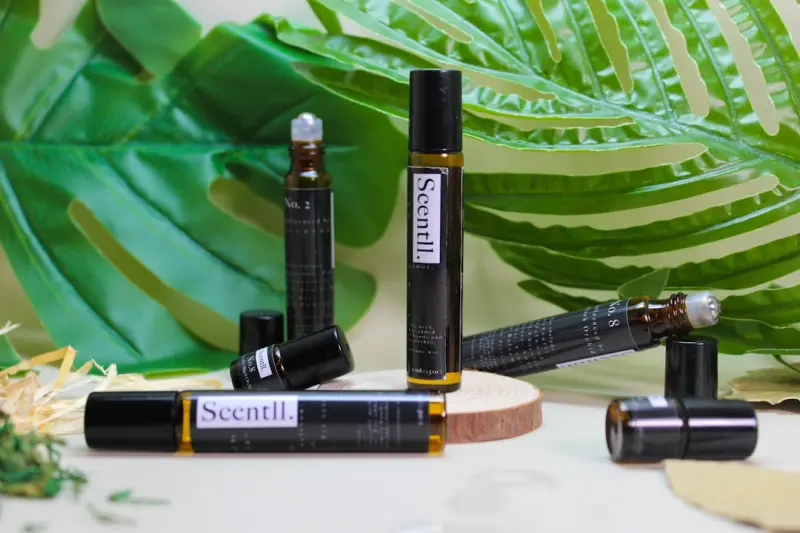
Smell accounts for up to 80 % of flavor perception, making scent a powerful—yet underutilized—tool. Restaurants are experimenting with “scent diffusers” that release a light, complementary aroma that aligns with the menu. A seafood bistro might waft a faint briny mist that evokes the ocean, while a farm‑to‑table eatery could emit a subtle rosemary note to reinforce the herb‑forward dishes.
One innovative approach is the use of “scented tableware.” Ceramic plates infused with natural essential oils release gentle fragrances as they warm, subtly enhancing the dish’s profile. This method keeps the scent localized, preventing cross‑contamination between courses and ensuring each plate tells its own aromatic story.
Case Studies: Sensory Success Stories
1. The “Silence” Sushi Bar
Located in the heart of Toronto, this sushi bar removed all background music and replaced it with a subtle, low‑frequency hum that mimics the gentle sway of ocean waves. Paired with cool, blue‑tinted lighting and a light sea‑spray aroma, patrons reported that the fish tasted “fresher” and the experience felt “more authentic.” The restaurant saw a 15 % increase in average check size within three months, attributing the boost to the heightened perception of quality.
2. “Harvest & Hearth” Pop‑Up Dining
Inspired by the Pop‑Up Destinations movement, this seasonal pop‑up combined modular dining spaces with immersive sensory design. Each night, the venue transformed: a rustic cabin vibe with warm amber lights, crackling fire sounds, and pine‑scented mist for a “forest dinner”; followed by a sleek, white‑light, minimalist setting with soft jazz and citrus aromas for a “coastal” menu. Guests booked repeat nights, eager to experience each distinct sensory world.
3. “The Modular Bistro” and the Future of Flexibility
While many think of modular dining purely as a spatial concept, Modular Dining also enables rapid reconfiguration of sensory elements. Movable wall panels incorporate built‑in LED strips and acoustic panels, allowing a single space to switch from a bustling lunch crowd to an intimate, dimly lit dinner setting within minutes. This adaptability not only maximizes revenue but also lets chefs experiment with sensory pairings without costly renovations.
Technology Stack: Tools Restaurants Need
Implementing a multi‑sensory strategy requires a blend of hardware and software:
- Audio Management Platforms: AI‑driven services that analyze crowd noise and adjust volume, genre, and tempo in real‑time.
- Smart Lighting Controllers: Cloud‑based systems that schedule lighting scenes, sync with music, and respond to occupancy sensors.
- Scent Diffusion Systems: Programmable dispensers that release precise amounts of essential oil blends on a timed schedule.
- Data Analytics: POS integrations that correlate sensory settings with ticket size, table turnover, and customer feedback, enabling data‑driven refinements.
Many of these tools integrate with existing restaurant management platforms, meaning you don’t need a full tech overhaul to start experimenting.
Measuring Impact: From Gut Feeling to Hard Numbers
While the sensory experience feels subjective, there are concrete metrics you can track:
- Average Check: Compare ticket size before and after sensory adjustments.
- Table Turnover Time: Observe whether pacing cues (like slower music) affect how long guests linger.
- Customer Satisfaction Scores: Include specific questions about ambience in post‑visit surveys.
- Repeat Visit Rate: Track reservation frequency for guests who experienced a particular sensory setup.
Running A/B tests—one night with a neutral ambience, another with curated sensory elements—provides clear insight into ROI. Over time, the data often reveals that a modest investment in sound, light, and scent can yield a disproportionate boost in revenue and brand loyalty.
Practical Steps for Restaurateurs
- Audit Your Current Environment: Walk through the space with a notebook. Note the dominant sounds, lighting temperature, and any lingering odors.
- Define Your Brand Narrative: Are you a coastal seafood haven, an urban farm‑to‑table kitchen, or a high‑tech gastronomy lab? Your sensory choices should reinforce that story.
- Start Small: Replace a single speaker with a directional unit, install a smart LED strip over the bar, or test a mild citrus diffuser during a dessert service.
- Gather Feedback: Use QR‑code surveys that ask diners to rate “Taste,” “Ambience,” and “Overall Experience.”
- Iterate: Adjust frequencies, light hues, or scent intensity based on feedback and sales data.
The Future: Immersive Dining as a Competitive Differentiator
As the restaurant market saturates, the next frontier isn’t just about what’s on the plate—it's about the experience surrounding it. With AI, IoT, and affordable hardware converging, even independent cafés can craft a multi‑sensory environment once reserved for high‑end flagship locations.
Imagine walking into a coffee shop where the aroma of fresh beans is subtly enhanced by a faint rain‑sound backdrop, while the lighting shifts to mimic sunrise as you sip your espresso—a seamless blend of nature and technology that makes the moment unforgettable. That is the direction the industry is heading, and those who adopt early will set the benchmark for the next decade of dining.
Takeaway
Sound, light, and aroma are powerful levers that can transform a routine meal into a memorable event. By understanding the science, leveraging modern tech, and measuring impact, restaurateurs can create sensory experiences that boost perception, increase revenue, and build lasting loyalty. The era of “taste‑only” dining is fading; the future belongs to those who master the full symphony of the senses.

Related Posts
Zero‑Waste Kitchen Hacks That Are Changing How We Dine
Discover how fermentation, smart tech, and simple home hacks are turning kitchen scraps into culinar... Read More

Fermenting the Future: How Home Fermentation Is Becoming a Sustainable Superpower
Fermentation is more than a culinary trend; it's a low‑effort, high‑impact practice that extends... Read More
Fermented Cocktails: The Next Frontier of Flavor Innovation
Fermentation is reshaping the cocktail scene, offering complex flavors, health benefits, and sustain... Read More
Top Posts

From the Furrow to the Future: A Canadian Farmer’s Perspective on Resilience and Growth
Tracie Higgins shares a firsthand look at the challenges and innovations shaping Canadian farms, from climate adaptation to tech adoption, and why community and...Read More

Zero‑Waste Kitchens: How Real‑Time Data Is Turning Waste Into Profit
Explore the rise of zero‑waste kitchens powered by real‑time data, from smart inventory and supplier collaboration to AI‑assisted menu engineering, and le...Read More

Turning Soil into Strategy: Data‑Driven Farming on the Canadian Prairies
Canadian farmers are embracing affordable sensor networks and open‑source platforms to turn real‑time soil data into smarter decisions, sustainable practice...Read More

Cabin Fever Reimagined: How Modern Canadians Are Crafting Wilderness‑Ready Homes
Canadian cabin living is experiencing a revival as remote work, affordability, and eco‑consciousness drive people to create year‑round, tech‑enabled homes...Read More
0 Comments
Post Comment
You will need to Login or Register to comment on this post!