
Why Smoke Is the New Frontier in Home Mixology
There’s a magnetic pull to the hazy swirl of a cocktail that arrives at the table still tinged with the whisper of a wood fire, and it’s not just about novelty. The sensory depth that smoke adds can transform a familiar spirit into an adventure, coaxing out hidden caramel, earthy, or even floral notes that sit just beneath the surface of the liquid. As a home mixologist, I’ve found that the ritual of preparing a smoked drink—lighting a chip, watching the ember glow, then gently coaxing the aromatic tendrils into a glass—creates a moment of theater that elevates the entire experience. It’s a conversation starter, a story told in vapor, and a bridge between the kitchen and the campfire. In the next sections, I’ll walk you through the tools, techniques, and flavor pairings that let you harness this ancient element without leaving the comfort of your own bar.
Choosing the Perfect Wood for Your Cocktail
The character of the smoke is dictated by the type of wood you use, much like the terroir influences a wine’s profile. Light, delicate woods such as apple or cherry impart a subtly sweet, almost fruity aroma that pairs beautifully with gin or light rum, while heartier options like oak, hickory, or mesquite lend a robust, smoky backbone suited for darker spirits such as rye or peaty Scotch. My personal favorite is a blend of cedar and birch; the cedar adds a resinous, almost pine‑y lift, while the birch introduces a clean, slightly sweet smoke that never overwhelms. When selecting wood, ensure it is untreated and free of chemicals—any residue can taint the flavor and pose health risks. If you’re new to this, start with a small handful of chips and experiment, noting how each variety interacts with different base spirits, bitters, and citrus accents.
Essential Tools and Safety Practices
Before you set fire to anything, assemble a modest toolkit that keeps the process both safe and repeatable. A sturdy glass dome or a metal cloche works as a smoke capture vessel, allowing you to funnel the vapor directly into the cocktail without letting it escape into the kitchen. A handheld torch or a small butane stove provides controlled heat for igniting the wood chips; a simple kitchen lighter can suffice for occasional use, but a torch gives better temperature regulation. Safety first: always work over a flame‑resistant surface, keep a fire extinguisher or a damp towel within arm’s reach, and never leave an open flame unattended. Ventilation is also key—position your workstation near a window or use an exhaust fan to prevent smoke buildup, especially if you’re experimenting with stronger, more aromatic woods.
Classic Smoked Cocktail Recipes to Try at Home
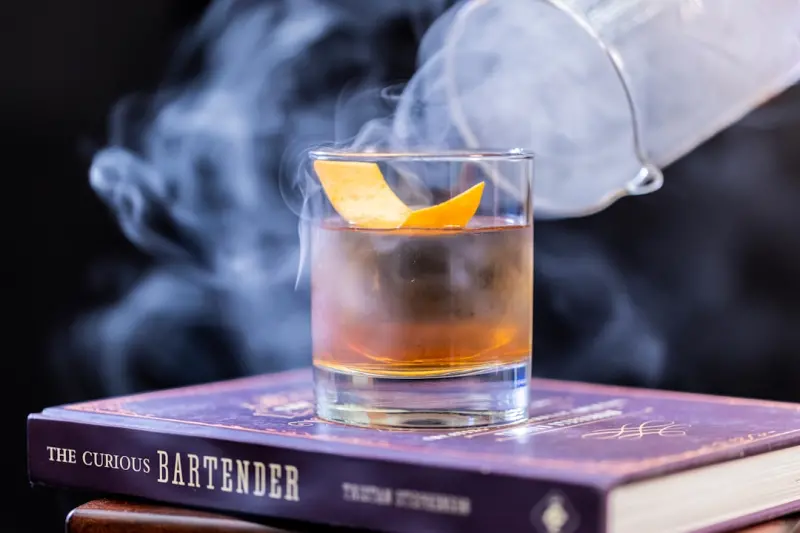
Once you’ve mastered the basics, it’s time to dive into some foundational recipes that showcase the versatility of smoke. The Smoked Old Fashioned, for instance, begins with a single large ice cube, a dash of aromatic bitters, a sugar cube, and a generous pour of bourbon. After stirring, place a few oak chips in a heat‑proof bowl, ignite them, and cover the cocktail with a cloche to trap the smoke for 30 seconds before removing and garnishing with an orange twist. For a lighter, herbaceous twist, try a Smoked Gin & Tonic: lightly smoke a sprig of rosemary, then combine it with a premium gin, tonic water, and a squeeze of lime. The rosemary’s piney notes mingle with the gin’s botanicals, creating a refreshing yet complex sip that feels both familiar and daring.
Crafting Your Own Infused Spirits with Smoke
Beyond single‑drink applications, smoke can be used to create infused spirits that serve as the foundation for an entire cocktail menu. To begin, fill a sealed jar with a handful of your chosen wood chips and pour in a neutral spirit such as vodka or a light grain whiskey. Seal the jar and let it sit for 24 to 48 hours, shaking gently once a day to encourage extraction. The result is a subtly smoked base that can be used in place of the original spirit in any recipe, offering a consistent smoky flavor without the need to re‑smoke each serving. This method also opens the door to creative mash‑ups—mix smoked vodka with fresh cucumber juice and a splash of elderflower liqueur for a summer spritz that feels both bright and intriguingly earthy.
Flavor Pairings: Matching Smoke with Sweet, Sour, and Bitter
Understanding how smoke interacts with the other pillars of a cocktail—sweetness, acidity, and bitterness—lets you design balanced drinks that delight the palate. A smoky mezcal paired with a touch of agave syrup and fresh grapefruit juice creates a harmonious dance where the smoke’s depth tempers the citrus’s sharpness. Conversely, a smoked whiskey combined with a dash of maple syrup and a few drops of Angostura bitters results in a warm, comforting sip reminiscent of a fireside after a long day. When experimenting, think of smoke as a “flavor enhancer” rather than a dominant note; a little goes a long way, and the goal is to let the wood’s nuances complement, not overpower, the other ingredients.
Eco‑Friendly Considerations for Sustainable Smoked Cocktails
As we explore new frontiers in mixology, it’s essential to keep sustainability in mind. Opt for wood chips sourced from reclaimed or responsibly harvested timber, and consider repurposing spent chips as garden mulch or as a natural deodorizer for compost bins. If you’re looking for inspiration on turning waste into wonder, check out the insights from Sipping Sustainability, which highlights how upcycled ingredients can elevate cocktail culture while reducing environmental impact. Additionally, the principles of Fermentation at Home remind us that careful, mindful preparation can turn simple, everyday materials into culinary treasures—smoked cocktails are no exception.
Presentation Tricks That Elevate the Smoked Experience
The visual element of a smoked cocktail can be as compelling as its flavor. Using a clear, wide‑rimmed coupe or a smoked glass—pre‑chilled and filled with a quick burst of smoke before pouring the drink—adds a dramatic reveal as the vapor dissipates. Garnishes also play a pivotal role: a sprig of fresh thyme or a thin slice of charred orange not only looks striking but releases additional aromatic compounds that mingle with the lingering smoke. For an extra touch of intrigue, consider serving the drink on a small wooden board with a matching chip of the same wood used in the cocktail, reinforcing the connection between the glass and the source of its smoky essence.
Final Thoughts: Making Smoke Your Signature in Home Mixology
Integrating smoke into your cocktail repertoire is more than a trendy gimmick; it’s a pathway to deeper flavor exploration and a way to infuse your gatherings with a sense of ceremony. By selecting the right wood, mastering safe techniques, and thoughtfully pairing smoke with complementary flavors, you can create drinks that linger in memory long after the last sip. Whether you’re hosting an intimate dinner party or simply treating yourself to a moment of crafted indulgence, the art of smoked cocktails invites you to experiment, improvise, and ultimately, to make each glass a story worth sharing. So gather your chips, light that flame, and let the aromatic adventure begin.

Related Posts
Urban Foraging: Turning City Streets into a Seasonal Pantry
Discover the art of urban foraging—how to safely harvest wild greens, herbs, and flowers from city... Read More
Forgotten Sweeteners Making a Sweet Comeback in Modern Desserts
Discover the rise of forgotten sweeteners—from maple sap to palm sugar—and how they're enriching... Read More
Taco Fest Returns to Toronto for its Ninth Year: A Muy Caliente Culinary Celebration Awaits
Toronto's culinary landscape is about to get a whole lot spicier as Taco Fest, the city's beloved ce... Read More
Top Posts

Digital Detox on Decks and Highways: Crafting Low‑Tech Cruise and Bus Escapes
Explore the rise of low‑tech travel, from quiet‑coast cruises to analog bus tours, and learn practical steps to unplug, boost creativity, and deepen connect...Read More

When Tariffs Turn Remote Teams into Strategic Assets
Tariffs are more than trade talk—they’re reshaping the cost and location of remote talent. This post dives into hidden cost layers, strategic diversificatio...Read More
Redrawing the Map: How Ward Boundaries Are Quietly Shaping Canada’s Political Future
Ward redistricting may seem technical, but it reshapes power, representation, and policy across Canada. Learn why every voter should watch these maps....Read More

Ephemeral Marketing: Turning 24‑Hour Stories Into Lasting Revenue
Learn why 24‑hour stories are the new core strategy, how to measure their impact, and practical steps to turn fleeting moments into lasting brand growth....Read More
0 Comments
Post Comment
You will need to Login or Register to comment on this post!