

Why Fermentation Is the Next Frontier for Busy Professionals
When I first stepped into the world of startups, the most pressing KPI on my radar was user acquisition. Fast forward a few years, and I’ve swapped the growth‑hacking playbook for a kitchen notebook filled with mason jars, brine, and a growing curiosity about the microbes that live in our gut. The truth is simple: the foods we choose can be as strategic as any product roadmap, and fermentation is the secret weapon most of us overlook.
The Microbial Marketplace Inside Your Body
Our intestines host a bustling metropolis of bacteria, yeasts, and fungi—collectively known as the gut microbiome. These microscopic tenants influence everything from digestion to mood, immune response, and even how we metabolize caffeine. When the microbial balance tips toward diversity and stability, we experience better energy, clearer skin, and a sharper focus—all crucial assets for anyone juggling meetings, deadlines, and a personal life that never truly hits “pause.”
Fermented foods are essentially a curated delivery system for beneficial microbes. Think of kimchi, sauerkraut, kefir, miso, and kombucha as pre‑packaged probiotic supplements that come with the added bonus of complex flavors and nutrients that have been amplified through the fermentation process.
Fermentation vs. “Superfood” Hype
Every few months, a new “superfood” headline bursts onto the feed—acai, spirulina, maca, you name it. While many of these ingredients offer valuable nutrients, they rarely address the gut ecosystem directly. Fermentation, on the other hand, does two things simultaneously: it preserves food without the need for artificial additives, and it creates a living product that actively engages with your microbiome.
For busy professionals who can’t afford to micromanage every bite, fermented foods provide a low‑maintenance, high‑impact solution. A handful of kimchi with lunch, a splash of kefir in your morning smoothie, or a spoonful of miso in a soup can transform a bland meal into a gut‑friendly powerhouse.
Getting Started: The Low‑Barrier Fermentation Toolkit
One of the biggest myths about fermentation is that it requires expensive equipment or a chemistry degree. In reality, the entry barrier is lower than most office coffee machines. Here’s the essential kit you need to begin:
- Glass Jars with Lids – Mason jars or any wide‑mouth glass container. Avoid metal lids that can react with acidic brines.
- Sea Salt (Non‑Iodized) – Iodine can inhibit the beneficial bacteria you’re trying to cultivate.
- Fresh Vegetables or Dairy – Cabbage, carrots, cucumbers, or milk are common starting points.
- Weight and Fermentation Cover – A small dish or fermentation weight to keep ingredients submerged, and a breathable cloth to keep out contaminants while allowing gases to escape.
From there, the process is a simple dance of submerging, sealing, and waiting. The waiting period can range from a couple of days for quick pickles to several weeks for more complex ferments like sauerkraut. The longer the fermentation, the deeper the flavor—and the more diverse the probiotic profile.
Integrating Fermented Foods Into a Desk‑Bound Lifestyle
We all know the struggle of balancing a packed inbox with the desire to eat well. Below are three practical strategies to weave fermented foods into a typical workday without adding extra “prep” time.
- Morning Boost: Kefir or Yogurt – A cup of kefir mixed with frozen berries and a drizzle of honey delivers protein, calcium, and a dose of live cultures before you even step into the office. Store it in a small insulated bottle to keep it fresh until your mid‑morning break.
- Lunch Upgrade: Miso‑Infused Soup – A quick miso paste dissolved in hot water creates a savory broth that can be paired with pre‑cooked quinoa or brown rice. Add a handful of spinach and a sprinkle of toasted sesame seeds for extra nutrients.
- Snack Attack: Kimchi or Sauerkraut Cups – Portion out a few spoonfuls of kimchi into reusable containers. The tangy crunch pairs perfectly with a handful of almonds or a slice of whole‑grain toast.
These mini‑habits require less than five minutes of prep each day and can be scaled up for the entire week on a Sunday evening. The payoff? A steadier energy curve, reduced afternoon slumps, and a gut that thanks you for the consistent feeding.
The Science Behind Flavor Development
Fermentation is not just about probiotic benefits; it’s a culinary alchemy that transforms simple ingredients into complex flavor profiles. Lactic acid bacteria break down sugars into lactic acid, which imparts the characteristic tang in kimchi and sauerkraut. Yeasts produce ethanol and carbon dioxide, giving kombucha its slight fizz. This biochemical activity also synthesizes B‑vitamins and short‑chain fatty acids, which support gut health and provide an extra nutritional edge.
When you taste a well‑aged kombucha, you’re experiencing a symphony of acidity, effervescence, and subtle fruit notes—all without added sugar or artificial flavoring. This depth of taste can reduce the craving for sugary snacks, helping you maintain steadier blood glucose levels throughout the day.
Scaling Fermentation at the Workplace
Forward‑thinking companies are already incorporating fermented foods into their wellness programs. Imagine a cafeteria that offers a rotating selection of house‑made kimchi, tempeh, and kefir smoothies. Not only does this align with employee health goals, but it also reinforces a culture of sustainability—fermentation preserves seasonal produce, reducing waste and extending shelf life.
If you’re a HR leader or office manager, consider a pilot “Ferment Fridays” initiative. Partner with a local fermenter or start a small on‑site fermenting station. Provide reusable jars and a quick guide, and let employees experiment. The communal aspect of sharing a jar of kimchi can spark conversation, build camaraderie, and reinforce a shared commitment to health.
Potential Pitfalls and How to Avoid Them
While fermentation is forgiving, a few common missteps can derail your efforts:
- Improper Salt Ratio – Too little salt can allow undesirable bacteria to flourish; too much can inhibit fermentation. A good rule of thumb is 2% salt by weight of the vegetables.
- Insufficient Submersion – All ingredients must stay below the brine. Use a weight to keep them submerged, and top up with additional brine if needed.
- Temperature Fluctuations – Most lacto‑ferments thrive between 65°F and 75°F (18°C–24°C). Extreme heat can speed up spoilage, while too cold slows the process dramatically.
- Cross‑Contamination – Keep your jars and tools clean. Avoid using metal tools that can introduce rust or unwanted metals into the brine.
By paying attention to these variables, you’ll set the stage for reliable, delicious ferments that can become staples in your weekly menu.
Fermentation Meets Data‑Driven Farming
One of the most exciting developments in modern agriculture is the rise of data‑driven farming practices. Sensors now monitor soil moisture, temperature, and microbial activity in real time, giving growers unprecedented insight into how to cultivate crops that are not only higher yielding but also richer in the pre‑biotic fibers that feed our gut bacteria.
When farms employ precise irrigation and nutrient management, the resulting vegetables—cabbage, carrots, and cucumbers—contain optimal levels of sugars and fibers that support a robust fermentation process. In other words, the same technology that helps farmers reduce water usage also indirectly improves the quality of the fermented foods you make at home.
From Farm to Ferment: A Sustainable Loop
Consider the journey of a head of cabbage: grown with sensor‑guided precision, harvested at peak nutritional content, then shredded, salted, and left to ferment in your kitchen. This closed loop reduces waste (the cabbage never spoils before you can use it) and maximizes nutritional output. It’s a tangible example of how modern agriculture and ancient preservation methods can coexist to deliver healthier food systems.
Fermented Foods and Mental Clarity
Beyond the gut, emerging research suggests a direct link between fermented foods and cognitive function. The gut‑brain axis—an intricate communication network between the digestive tract and the central nervous system—relies heavily on microbial metabolites such as short‑chain fatty acids and neurotransmitter precursors. Regular consumption of probiotic‑rich foods can modulate this axis, leading to improved mood, reduced anxiety, and enhanced focus.
For anyone who has felt the post‑lunch dip in concentration, a side of kimchi or a glass of kefir could be the natural antidote you need. It’s not a miracle cure, but it’s a scientifically backed tool that fits seamlessly into a busy schedule.
Addressing Common Concerns
“I’m worried about the smell.” Fermentation does produce a pungent aroma, especially in the early stages. However, the smell usually mellows as the process continues. Storing jars in a refrigerator after the initial fermentation phase can contain odors while preserving the probiotics.
“Is it safe for everyone?” Most healthy adults can safely consume fermented foods. Individuals with compromised immune systems or specific medical conditions should consult a healthcare professional before making significant dietary changes.
“Can I buy pre‑made ferments?” Absolutely. Look for products with live cultures, minimal additives, and clear labeling of fermentation dates. However, making your own gives you control over salt levels, spice profiles, and the ability to experiment with new vegetables.
Future Trends: Fermentation in the Age of Personalization
The next wave of innovation will likely combine fermentation with personalized nutrition platforms. Imagine a service that analyzes your gut microbiome, recommends specific strains of probiotics, and then delivers tailored fermentation kits to your door. Companies are already developing AI‑driven algorithms that match dietary patterns with microbial profiles, and it’s only a matter of time before fermented foods become a key component of those personalized plans.
In the meantime, you can start small—track how you feel after adding a daily serving of fermented foods, note any changes in digestion or energy, and iterate. Your gut is an ecosystem that responds to consistent inputs, and the more you feed it wisely, the more resilient it becomes.
Conclusion: Turn Fermentation Into a Competitive Advantage
In the same way a company leverages data to stay ahead of the market, you can leverage microbes to stay ahead of fatigue, stress, and health setbacks. Fermentation is not a fleeting diet; it’s a sustainable practice that aligns with modern lifestyles, supports mental clarity, and respects the planet by extending the life of fresh produce.
Take the first step today: grab a jar, a head of cabbage, and a pinch of salt. In a week, you’ll have a delicious, probiotic‑rich side dish that fuels your body and mind. And as you continue to explore the world of fermentation, you’ll discover that the most powerful technology you’ll ever use is a living culture thriving right in your kitchen.

Related Posts
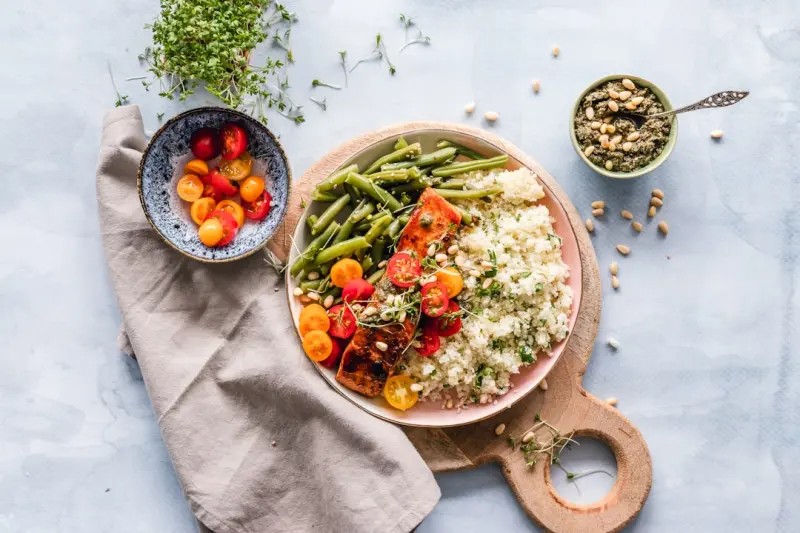
Snack Smarter: Uncovering the Power of Plant‑Based Crunch
A deep dive into plant‑based snacks that combine protein, fiber, and micronutrients with bold flav... Read More
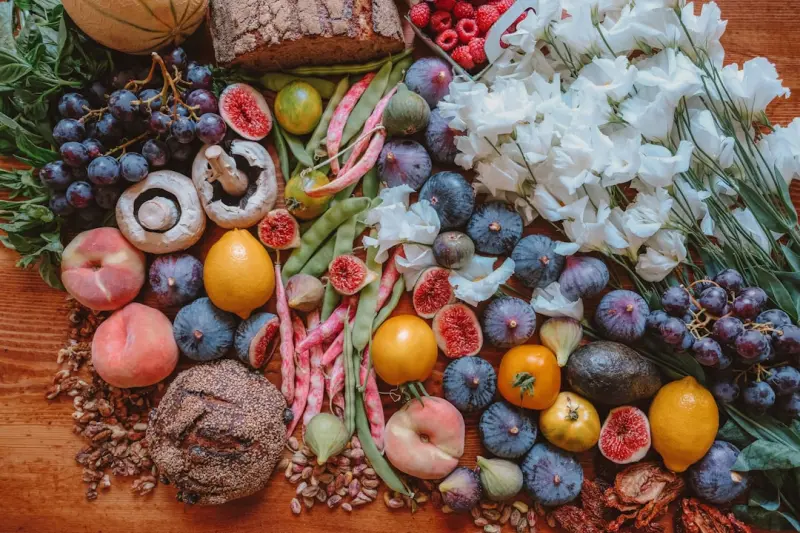
Seasonal Eating: The Gut‑Boosting, Energy‑Elevating Food Strategy
Learn why eating with the seasons fuels a healthier gut, steadier energy, and a greener wallet, plus... Read More

Beyond the Plate: Harnessing Food Pairing for Maximum Nutrient Power
Learn practical food pairing strategies that unlock hidden nutrients, improve digestion, and make ev... Read More
Top Posts

Regenerative Travel: How Vacations Can Leave Places Better Than You Found Them
Regenerative travel flips the tourism script: instead of leaving footprints, travelers leave kindness. Learn practical ways to give back, choose impact‑focuse...Read More

The Flavors of Community: How Local Food Can Bring People Together
Local food systems have the power to bring people together and promote community development. By supporting local farmers and producers, we can help to build a ...Read More

How Voice Search is Redefining Local Marketing Strategies
Explore the impact of voice search on local brands and learn actionable tactics to dominate conversational queries....Read More

Listening to Health: How Soundscapes Are Transforming Well‑Being
Sound isn’t just background noise; it’s a powerful health tool. Discover the science behind audio wellness, practical ways to integrate therapeutic soundsca...Read More
0 Comments
Post Comment
You will need to Login or Register to comment on this post!