
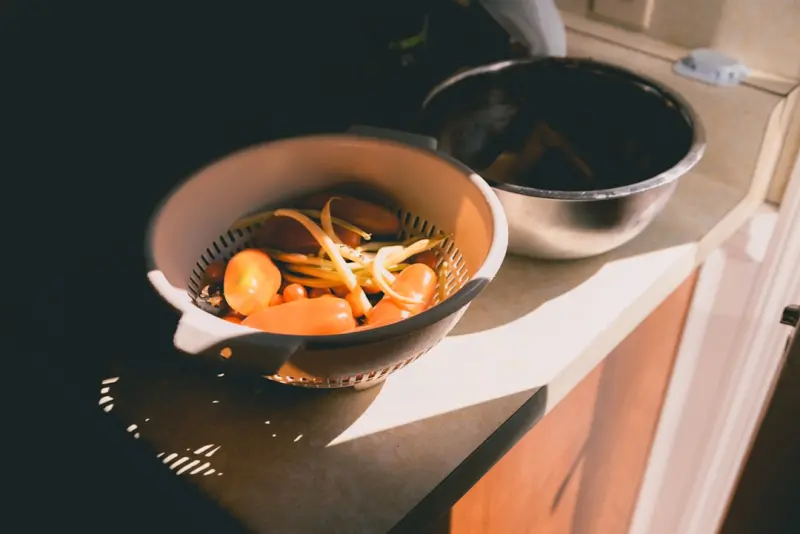
Rethinking Kitchen Waste
Every week, I stare at the mountain of peels, stems, and crumbs that silently accumulate in my trash bin, and I realize they’re not just waste—they’re untapped flavor reservoirs waiting for a second chance. Zero‑waste cooking invites us to ask, “What if every leftover could become the star of a new dish rather than a landfill contribution?” By shifting my mindset from disposal to transformation, I’ve discovered that the most ordinary scraps can spark the most extraordinary culinary experiments, turning routine meals into memorable experiences.
The Science Behind Flavor Alchemy
When you simmer carrot tops, onion skins, or mushroom stems, you’re extracting a concentrated broth rich in umami, caramelized sugars, and aromatic compounds that commercial stocks simply can’t replicate. This flavor alchemy works because heat breaks down cell walls, releasing glutamates, sugars, and phenols that deepen the palate of soups, sauces, and risottos. By mastering the timing—gentle simmer for delicate greens, vigorous boil for robust stems—you can craft foundations that elevate any plate, all while reducing your grocery bill and ecological footprint.
Pantry Staples That Never Go Bad
Beyond the fresh scraps, a well‑stocked pantry of dried beans, lentils, and grains forms the backbone of zero‑waste meals, allowing you to stretch leftovers into filling, nutritious bowls. For example, a handful of wilted kale can be revived by tossing it with toasted chickpeas and a splash of citrus, creating a textural contrast that feels intentional rather than improvised. Pairing these pantry powerhouses with your rescued vegetables not only adds protein but also introduces a satisfying heartiness that turns humble leftovers into gourmet‑worthy plates.
Creative Ways to Repurpose Fruit Peels
Apple cores, citrus zest, and berry skins often end up in the compost, yet each carries a unique aroma that can transform desserts and drinks alike. By simmering citrus peels with water, sugar, and a pinch of sea salt, you produce a sparkling syrup perfect for drizzling over panna cotta or stirring into sparkling water for a refreshing mocktail. Likewise, caramelizing apple cores with a touch of butter and brown sugar yields a silky purée that can replace store‑bought apple sauce in pies, muffins, or savory pork glazes.
Vegetable Stems and Leaves: The Unsung Heroes
Broccoli stems, beet greens, and kale ribs are often discarded, yet they possess a crisp texture and earthy flavor that can shine when sliced thin and quick‑pickled. A simple brine of rice vinegar, a dash of honey, and crushed garlic transforms these often‑overlooked parts into vibrant accompaniments for tacos, grain bowls, or charcuterie boards. The quick‑pickling process not only preserves the nutrients but also adds a tangy bite that balances richer components on the plate.
Making the Most of Bread Crumbs and Stale Loaves
Stale bread doesn’t have to be relegated to the crumb tray; it can become the crunchy topping or binding agent that gives dishes a professional finish. By tossing cubed stale loaf with olive oil, rosemary, and smoked paprika, then roasting until golden, you create a versatile crouton that elevates soups and salads. Additionally, grinding toasted bread into fine crumbs provides a gluten‑free coating for fish or tofu, delivering a satisfying crunch without the need for processed breadcrumbs.
Zero‑Waste Desserts That Wow
When banana peels turn brown, most of us toss them, yet they harbor a subtle sweetness that can be coaxed into a silky custard. Blend boiled banana peels with coconut milk, vanilla, and a touch of maple syrup, then chill to create a dairy‑free panna cotta that surprises guests with its depth of flavor. Similarly, coffee grounds, once cooled, can be mixed into chocolate ganache for a bitter‑sweet finish that pairs beautifully with a drizzle of caramel.
Integrating Zero‑Waste Practices Into Everyday Routines
Turning scraps into gourmet dishes becomes second nature when you incorporate a few simple habits: keep a dedicated “scrap bin” for peels and stems, label it with the date, and plan weekly “scrap‑stock” sessions where you transform the contents into broth or sauces. By scheduling this routine, you eliminate the mental load of remembering to use leftovers, and the kitchen transforms into a laboratory where each ingredient has a purpose.
From Kitchen to Community: Sharing the Zero‑Waste Mindset
One of the most rewarding aspects of this approach is the ability to share your creations with friends, neighbors, or even local food banks, turning personal sustainability into community impact. Hosting a “scrap‑swap” dinner, where guests bring their own vegetable trimmings to contribute to a communal stew, fosters connection while reinforcing the idea that waste is merely a misused resource. For those looking to deepen their knowledge, exploring home fermentation basics can add another layer of preservation and flavor complexity to your zero‑waste repertoire.

Related Posts
When Your Fridge Knows Your Taste: AI‑Driven Flavor Profiles for Home Cooks
Explore how AI can scan your pantry, learn your taste preferences, and generate personalized, wasteâ... Read More
The Flavors of Resilience: Exploring the Intersection of Food, Culture, and Canadian Identity
Canadian cuisine reflects the country's cultural heritage, geography, and people. Explore the inters... Read More
Fermentation Nation: Wild Cultures Are Rewriting the Food & Drink Landscape
Fermented foods and drinks are surging in popularity, offering gut‑friendly benefits, bold flavors... Read More
Top Posts

Ontario Fishing Trends: Gear, Spots, and Community Insights
A deep dive into Ontario’s shifting fishing landscape, covering smart gear upgrades, emerging hotspots, community knowledge sharing, and seasonal adaptations ...Read More

The Pop‑Up Kitchen Revolution: How Temporary Spaces Are Redefining Dining
Discover how pop‑up kitchens turn vacant spaces into vibrant dining experiences, empowering chefs and neighborhoods while championing sustainability....Read More

The Pop‑Up Kitchen Revolution: How Hyper‑Local Dining Is Redefining Restaurants
Discover the rise of hyper‑local pop‑up kitchens, where community spaces, sustainability, and sensory storytelling transform dining into a dynamic, neighbor...Read More
Adaptogen Coffee: The New Office Power Drink
Adaptogen coffee blends the energizing punch of caffeine with stress‑busting herbs, offering a steady, balanced boost that supports focus, immunity, and overa...Read More
0 Comments
Post Comment
You will need to Login or Register to comment on this post!