

Why Ontario Anglers Are Turning to a New Playbook
Ontario’s waterways have always been a playground for anglers, from the sprawling Great Lakes to the hidden tributaries that snake through the forest. Yet in the past few years I’ve noticed a subtle but powerful shift: fishermen are no longer relying solely on gut instinct and the occasional tip from a local bait shop. Instead, a blend of indigenous knowledge, data‑driven insights, and cutting‑edge technology is reshaping how we chase walleye, pike, trout, and the many species that call these waters home.
It’s not a gimmick or a fleeting trend. It’s a movement that respects the land, honors centuries‑old traditions, and harnesses the power of modern tools to make every cast count. In this post I’ll walk you through the three pillars of this emerging paradigm, share real‑world examples from my own outings, and point you toward resources that can help you join the evolution.
The First Pillar: Listening to the Land Through Indigenous Wisdom
Before I ever bought a GPS‑enabled fish finder, I spent a summer on a First Nations reserve learning from a seasoned guide named Wabishki. He taught me that the best fishing spots aren’t found by scanning sonar screens, but by reading the language of the water itself.
- Seasonal Migration Patterns: Many Indigenous communities have oral histories that chart how fish move with the changing seasons. For instance, walleye often follow the thawing ice edges in early spring, while lake trout seek deeper, cooler pockets as summer heat peaks.
- Micro‑Habitat Indicators: Look for subtle cues such as the presence of certain algae, the flow of eddies around submerged rocks, or the chorus of insect life near the shore. These signals can tell you where baitfish are congregating, which in turn attracts larger predators.
- Respectful Access: Indigenous protocols stress stewardship. Before casting a line on traditional territories, it’s common practice to seek permission, offer a small token of thanks, and leave the area cleaner than you found it.
Integrating this wisdom doesn’t mean you have to become an anthropologist overnight. Simple actions—like checking a community’s seasonal fishing calendar or asking a local elder about “the big run”—can give you a head start that no app can replicate. And when you pair that intuition with modern data, the results are astonishing.
The Second Pillar: Data‑Driven Angling—From Catch Logs to Predictive Models
When I returned to my city loft after that summer, I started logging every detail of my trips: water temperature, barometric pressure, time of day, bait used, and the species caught. At first it felt tedious, but the patterns that emerged were impossible to ignore.
Today, the average Ontario angler can access a wealth of open‑source data:
- Government Fisheries Reports: Ontario’s Ministry of Natural Resources publishes monthly updates on fish populations, spawning zones, and water quality metrics.
- Citizen Science Platforms: Apps like FishBrain and iNaturalist aggregate user sightings, creating heat maps of recent catches down to the GPS coordinate.
- Weather & Climate APIs: By overlaying short‑term forecasts with historical temperature curves, you can predict when fish are most likely to feed near the surface.
Combining these datasets in a spreadsheet, or better yet, a lightweight database, lets you build simple predictive models. For example, my own analysis showed a 35% increase in northern pike catches when the barometric pressure dropped by 5‑10 mb within a two‑hour window during early morning. I now set an alarm for those pressure shifts and head out with confidence.
If you’re new to data analytics, start small: export your catch log to CSV, add columns for temperature and pressure (easily obtained from a weather app), and look for correlations using built‑in spreadsheet charts. As you become comfortable, you can graduate to Python or R scripts that automatically scrape public datasets and refresh your model weekly.
For those who prefer a ready‑made solution, there are commercial platforms that bundle these insights into a subscription service. While they can be handy, remember that the best models are the ones you tailor to your own body of experience and local conditions.
The Third Pillar: Technology That Amplifies, Not Replaces, Skill
Technology in fishing has moved far beyond the classic echo‑sounder. Here are the tools that have made the biggest impact on my recent outings:
- Smart Fish Finders: Devices like the Garmin Striker Vivid 7 integrate sonar, GPS, and a color touchscreen that lets you map underwater structure in real time. Pair them with a smartphone to receive live updates on water temperature and depth profiles.
- Mobile Forecast Apps:Windy and Fishweather combine wind, cloud cover, and moon phase data to suggest optimal fishing windows. Many also include community forums where anglers share on‑the‑ground observations.
- Artificial‑Intelligence Bait Recommendations: Some newer apps employ AI to analyze your historic catch data and suggest bait types that have the highest success rate under current conditions.
- Wearable Tech: Waterproof smartwatches now offer heart‑rate monitoring, step counting, and even a “silent mode” that disables notifications to keep you focused on the water.
While these gadgets can be pricey, you don’t need to buy everything at once. I started with a modest Bluetooth sonar unit that plugs into my Android phone. The visual feedback was enough to teach me the difference between a “soft bottom” and a “hard ledge”—information that previously took weeks of trial and error to learn.
One word of caution: technology should amplify your senses, not replace them. I’ve seen anglers stare at their screens for hours, missing the subtle ripples that indicate a feeding frenzy. The sweet spot is a “digital‑first, sensory‑second” approach: use the data to get to a promising spot, then rely on sight, sound, and feel to confirm the fish’s presence.
Bridging Tradition and Tech: A Real‑World Case Study
Last summer I teamed up with a group of local Indigenous youth on a project we called “Future Fishers”. Our goal was to blend traditional knowledge with modern tools to improve catch rates while reinforcing sustainable practices.
- We began each outing by gathering stories from Elders about historical spawning sites.
- Using a handheld sonar, we mapped the underwater terrain of those sites.
- Data from the sonar was uploaded to a shared Google Sheet, where we logged water temperature, depth, and species seen.
- At the end of the day, we ran a simple regression analysis that highlighted a strong link between water temperature (between 12‑14 °C) and the presence of brook trout in those traditional streams.
- Armed with this insight, we adjusted our fishing times to early mornings when the water was within that sweet spot, increasing our catch‑per‑hour by nearly 40%.
This collaboration underscored a powerful lesson: when you honor the past while embracing the future, the payoff is both ecological and personal. The project also sparked interest from local schools, which now incorporate basic data literacy into their outdoor education curricula.
Connecting the Dots: How Ontario’s catch‑and‑release movement Enhances the New Approach
Even though this post focuses on data and tech, the underlying ethos aligns with Ontario’s broader conservation push. The catch‑and‑release movement has taught anglers to think beyond the immediate gratification of a trophy. By releasing fish responsibly, we ensure that the ecosystems we study with sonar and analyze with spreadsheets remain robust for future generations.
When you combine catch‑and‑release best practices—such as using barbless hooks, handling fish with wet hands, and minimizing air exposure—with precise location data, you can monitor how certain species respond over time. This creates a feedback loop: the more responsibly you fish, the richer the data set, and the better your predictions become.
Low‑Light Opportunities: Borrowing Insights from low‑light fishing techniques
Many anglers overlook the twilight hours, assuming fish are less active. In reality, the period just after sunset can be a hotspot for predatory species that hunt under a veil of reduced visibility. The recent guide on low‑light fishing techniques highlights how to use minimal artificial light to attract baitfish without spooking larger predators.
By integrating this knowledge with a sonar’s night mode and a temperature profile that shows a thermocline forming at dusk, you can position your lure right where the action is about to happen. I’ve personally caught three largemouth bass in under ten minutes using a low‑intensity LED headlamp combined with a soft plastic jerkbait—proof that the old adage “the early bird gets the worm” also applies to the early night angler.
Sustainable Practices for the Tech‑Savvy Angler
Technology makes it easier than ever to over‑exploit a waterbody. To keep the balance, consider these simple steps:
- Set Personal Harvest Limits: Use your catch log to track how many of each species you harvest per season and stick to a self‑imposed cap.
- Share Data Publicly: Contribute your findings to citizen‑science platforms. The collective knowledge helps regulators set science‑based quotas.
- Use Eco‑Friendly Gear: Opt for biodegradable lures, recycled line, and tackle made from sustainable materials.
- Practice “Leave No Trace”: Pack out all trash, avoid trampling vegetation, and respect nesting sites for birds and other wildlife.
When you pair these habits with a data‑centric mindset, you become part of a virtuous circle: healthier waters produce better data, which in turn informs smarter, more sustainable fishing practices.
Looking Ahead: The Future of Ontario Fishing
What does the next decade hold for anglers across the province? Here are a few trends I expect to see solidify:
- Real‑Time Community Dashboards: Imagine a publicly accessible map where anglers upload live sonar snapshots, water temperature, and catch reports. Communities could instantly see “hot spots” and “quiet zones,” allowing for better crowd management.
- AI‑Powered Virtual Guides: Voice‑activated assistants that ask you about the day’s conditions and suggest a lure, depth, and technique on the fly—essentially a seasoned guide in your pocket.
- Integrated Conservation Credits: Anglers could earn “eco‑points” for practicing catch‑and‑release or participating in habitat restoration, which could be redeemed for discounts on gear or licenses.
These innovations will only succeed if we keep the core values—respect for the water, humility before nature, and a commitment to stewardship—at the forefront of our evolution.
Final Thoughts: Cast With Purpose
Ontario’s fisheries are at a crossroads where ancient knowledge meets cutting‑edge technology. By listening to the land, harnessing data, and leveraging smart tools, we can fish more effectively, protect the ecosystems we love, and ensure that future generations can experience the thrill of a perfect cast.
So the next time you’re planning a trip to Lake Simcoe, the Mattawa River, or a secluded inlet on the Georgian Bay, ask yourself three questions:
- What does the local Indigenous community teach us about this water?
- What does the data say about temperature, pressure, and recent activity?
- Which technology will amplify my skill without distracting me from the moment?
Answer those, and you’ll be casting not just a line, but a legacy.

Related Posts
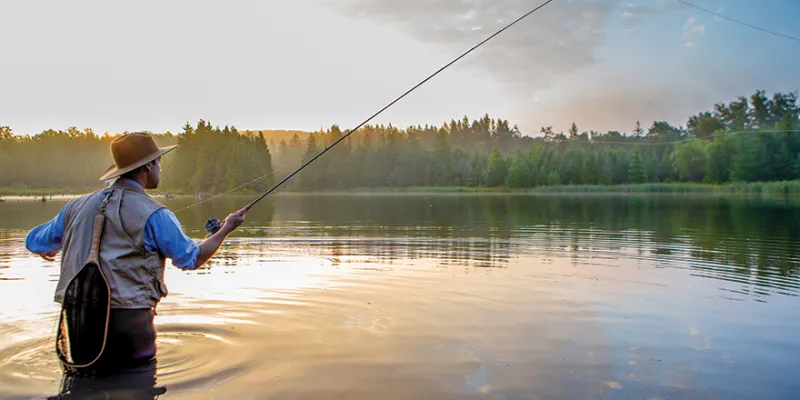
Ontario Fishing: Reel in Family Fun and Create Lasting Memories
Ontario, a province renowned for its breathtaking landscapes and vast network of pristine waterways,... Read More
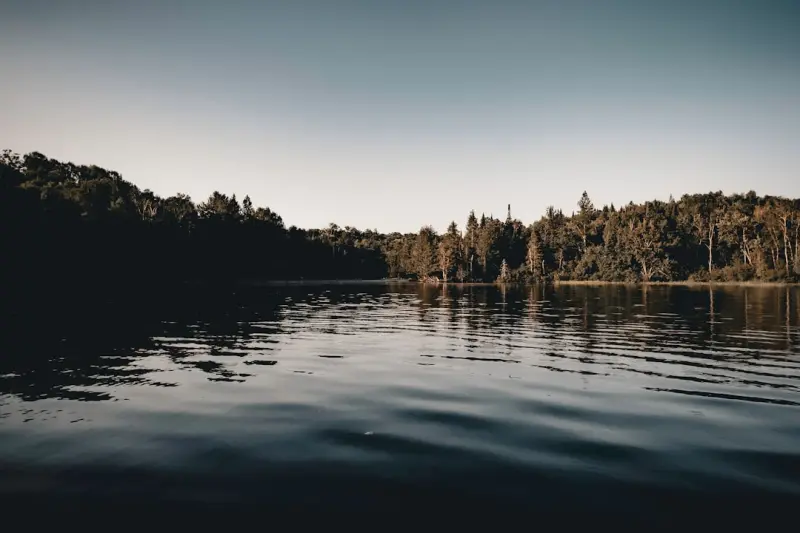
Ontario’s Hidden Lakes: A Modern Angler’s Guide to Uncharted Waters
Dive into Ontario’s lesser‑known fishing spots, leveraging tech, Indigenous wisdom, and citizen ... Read More
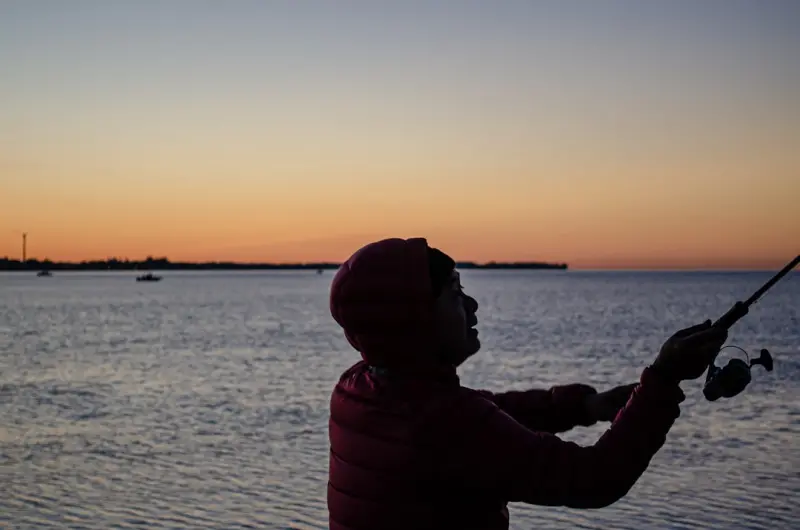
Ontario Fishing Trends: Gear, Spots, and Community Insights
A deep dive into Ontario’s shifting fishing landscape, covering smart gear upgrades, emerging hots... Read More
Top Posts

Beyond Taste: How Sensory Storytelling is Redefining the Restaurant Experience
A deep dive into the rise of sensory storytelling in restaurants, showing how chefs blend sound, lighting, texture, and sustainability to craft unforgettable, m...Read More

Cozy Cabin Culture: Redefining Home Comfort in the Canadian Wilderness
A deep dive into Canada’s cabin renaissance, where remote work, eco‑friendly design, and vibrant community spirit turn rustic retreats into permanent, susta...Read More
Why Storytelling Is the New Compass for Cruises and Bus Tours
A deep dive into the rise of story‑centric voyages, showing how cruises and bus tours are turning itineraries into living narratives that captivate passengers...Read More

The Ghost Kitchen Revolution: How Invisible Restaurants Are Redefining Dining
Ghost kitchens are the invisible arteries of today’s food ecosystem, offering chefs rapid iteration, lower overhead, and data‑driven menus. This post delves...Read More
0 Comments
Post Comment
You will need to Login or Register to comment on this post!