

From Soil to Soul: How Canadian Farmers Are Cultivating Resilience Beyond the Harvest
When I first walked the rows of wheat in my family’s farm outside Winnipeg, the only thing I heard was the rustle of stalks and the low hum of the tractor. Decades later, the conversation on the same fields has shifted – it now includes soil microbes, mental‑health check‑ins, and a shared vision of community‑driven stewardship. This evolution isn’t a fad; it’s a response to the relentless pressures of climate change, market volatility, and the growing awareness that farming is as much a social enterprise as it is an agricultural one.
The Quiet Revolution of Regenerative Practices
Regenerative agriculture isn’t just a buzzword; it’s a set of practices that aim to restore the health of the land while producing nutritious food. Across the Prairies, the Atlantic provinces, and the interior of British Columbia, farmers are:
- Integrating cover crops to protect soil from erosion and to sequester carbon.
- Adopting no‑till or reduced‑till techniques that preserve soil structure and foster beneficial microbes.
- Rotating livestock and crops to mimic natural ecosystems and improve nutrient cycling.
These methods have tangible outcomes: higher organic matter, better water retention, and a measurable reduction in greenhouse‑gas emissions. But perhaps the most profound benefit is the psychological shift they inspire. When a farmer sees the soil literally breathing again, it rekindles a sense of purpose that transcends profit margins.
Building Community Through Collaborative Networks
Isolation has long been a hidden challenge for Canadian growers. The vast distances between farms can make it difficult to share knowledge or resources. In recent years, a wave of farm co‑ops, shared‑equipment hubs, and digital knowledge platforms has begun to stitch these isolated plots into a cohesive fabric.
Take the community energy cooperatives that have sprung up in rural Ontario. While originally focused on renewable power, many of these groups have expanded to include shared cold‑storage facilities and joint marketing initiatives for local produce. By pooling capital and expertise, small‑scale producers can compete with large agribusinesses without sacrificing independence.
On the digital front, farmer‑led platforms are emerging that function like social networks for the land. These tools let growers post real‑time soil moisture data, swap seed varieties, or arrange “machinery swaps” on a weekend basis. The result is a culture of mutual aid that mirrors the collaborative spirit of the early 20th‑century grain elevators but leverages 21st‑century connectivity.
Data as a Companion, Not a Master
It would be disingenuous to ignore the role of technology entirely. Sensors, drones, and satellite imagery are becoming standard in many operations. However, the narrative is shifting from “data‑driven decision making” to “data‑informed stewardship.” In other words, technology is a tool that augments, not dictates, farmer intuition.
For a deeper dive into how data is already reshaping our industry, see the piece on Canadian farmers turning data into growth. While that article focuses on analytics, the current conversation emphasizes balance: using insights to confirm what seasoned hands already know, rather than replacing that experiential knowledge.
Mental Health: The Unspoken Harvest
Farmers have always been stoic, weathering storms—both literal and financial—without complaint. Yet the toll of unpredictable weather patterns, price swings, and the ever‑present “farm‑to‑table” scrutiny has led to a rise in anxiety and depression across the sector. Recognizing this, several provinces have launched farmer‑wellness initiatives that integrate:
- Confidential counseling hotlines staffed by professionals familiar with agricultural life.
- Peer‑support circles where growers share stories of failure and success without judgment.
- Workshops on mindfulness, sleep hygiene, and stress‑management tailored to the rhythms of farm work.
When a farmer can speak openly about a bad season without fearing stigma, the entire community benefits. Resilience becomes a shared asset, not an individual burden.
From Field to Fork: Storytelling as a Value‑Add
Consumers are increasingly curious about the origins of their food. Farmers are responding by crafting narratives that highlight the regenerative methods behind each bite. This storytelling does more than boost sales; it creates an emotional bond that can translate into long‑term loyalty.
For example, a small berry farm in Nova Scotia now includes QR codes on every crate. Scanning the code leads customers to a short video of the farmer discussing soil health, pollinator habitats, and the family’s history on the land. The result? A measurable uptick in repeat purchases and a stronger regional brand identity.
Policy Landscape: Where Advocacy Meets Action
Federal and provincial governments are beginning to recognize the strategic importance of regenerative farming. Recent policy drafts propose:
- Tax incentives for farms that adopt carbon‑sequestration practices.
- Grant programs to subsidize the purchase of shared equipment within co‑ops.
- Funding for mental‑health outreach tailored to rural communities.
These measures signal a shift from viewing agriculture solely as a commodity producer to treating it as a cornerstone of climate mitigation and social wellbeing. Farmers are now more empowered to lobby for supportive legislation, knowing that their collective voice carries weight.
Future Outlook: A Blueprint for Sustainable Growth
The path forward is clear: blend age‑old wisdom with modern collaboration tools, nurture the land while nurturing the farmer’s spirit, and turn market challenges into opportunities for community innovation. The next generation of Canadian farmers will inherit more than acres—they’ll inherit a resilient network of peers, a healthier planet, and a renewed sense of purpose.
As we sow the seeds of regenerative practice today, we also plant the stories that will inspire tomorrow’s growers. The harvest we’re working toward isn’t just measured in bushels; it’s measured in the strength of our communities, the vitality of our soils, and the wellbeing of the hands that tend them.

Related Posts
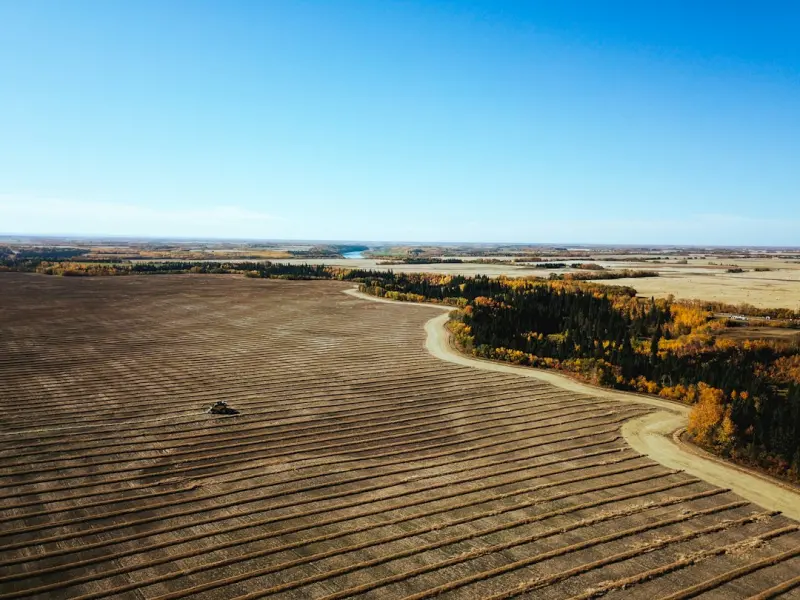
Carbon Farming in Canada: Turning Soil Health into Revenue Streams
Canadian growers are now converting healthy soil into a profitable asset. This post dives into carbo... Read More
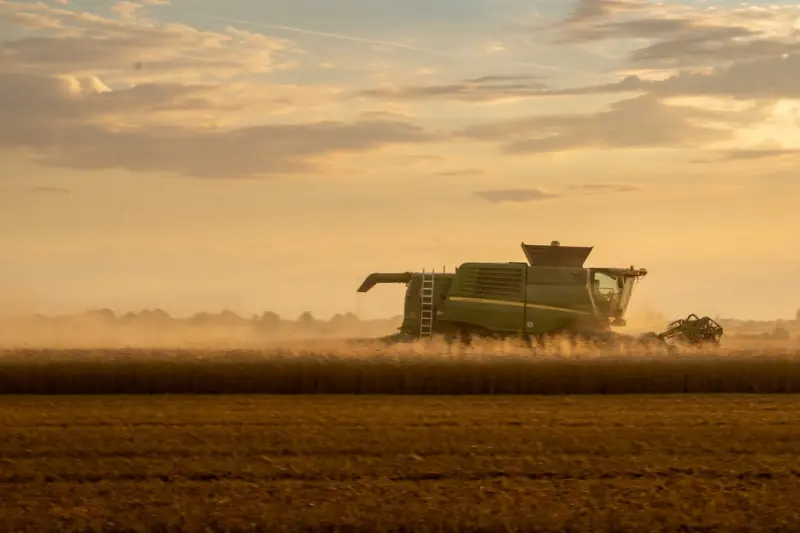
Harnessing Data: How Canadian Farmers Are Turning Numbers into Bounty
A deep dive into how data and digital tools are reshaping Canadian agriculture, from precision soil ... Read More
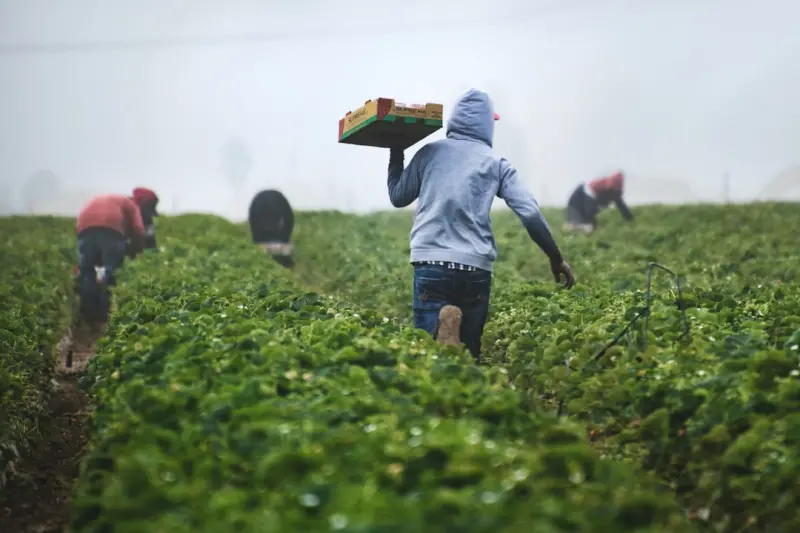
Regenerative Roots: Canadian Farmers Turning Fields into Climate Allies
Canadian growers are embracing regenerative agriculture—cover crops, reduced tillage, diverse rota... Read More
Top Posts

Smart Savings Playbook: How B2B Teams Snag Bigger SaaS Deals
A practical guide for B2B professionals that reveals how to leverage public data, micro‑subscription models, and real‑time chat to negotiate smarter SaaS de...Read More

Adaptive Storytelling: How Real‑Time Data Is Rewriting Brand Narratives
Learn why static ads are outdated and how brands can use real‑time data to craft adaptive stories that resonate, convert, and future‑proof marketing strateg...Read More

Why Your Next Cruise Should Start on a Bus
Integrating purpose‑built bus tours with cruise itineraries transforms brief port stops into immersive land adventures, driving revenue, sustainability, and u...Read More
Reeling in the Future: Ontario Anglers Embrace AI and Drones
Ontario anglers are adopting AI-powered sonar, scouting drones, and predictive apps, merging tradition with technology to improve catches, foster community, and...Read More
0 Comments
Post Comment
You will need to Login or Register to comment on this post!